
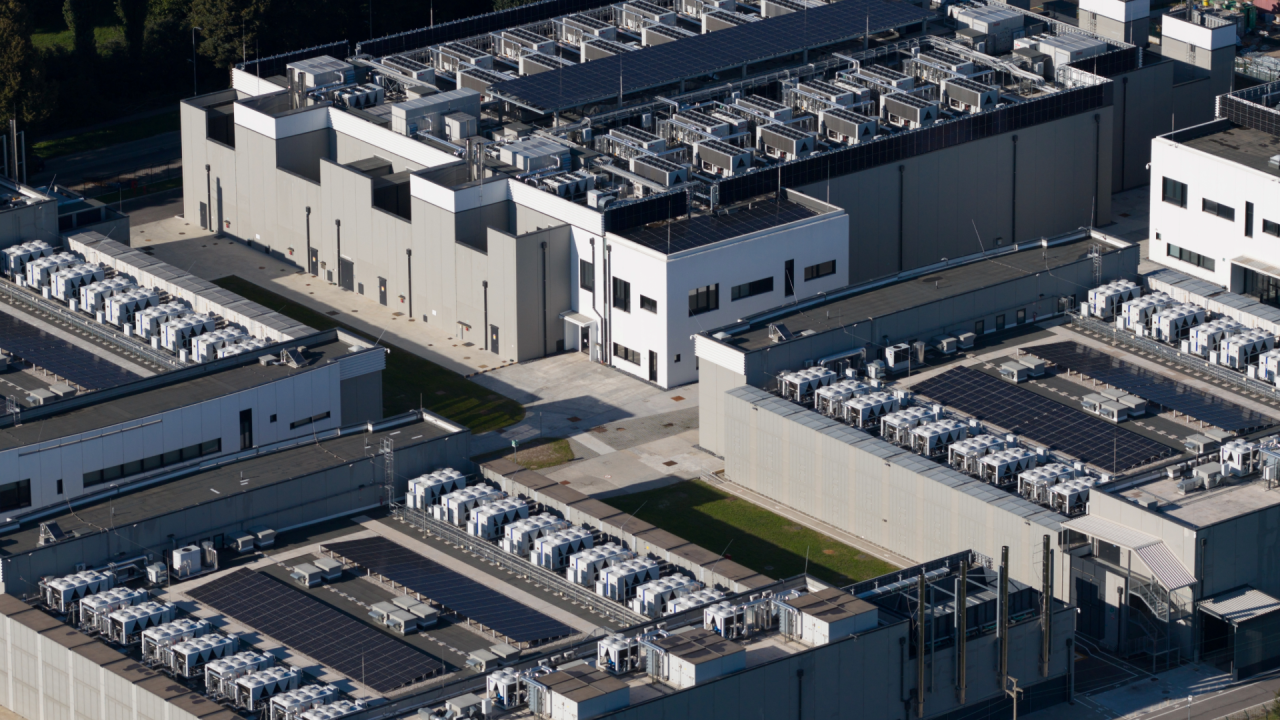
Construction convoys, equipment moves, generator fuel, and daily operations all need legal access to a data center site, and a paved entrance in daily use is not proof of a permanent recorded right. If access was never granted in the record, that gap transfers to you and surfaces the first time a neighbor closes the gate. This is my deep look at legal access, frontage, and haul routes for data center sites in Virginia and West Virginia.
Written by Anthony I. Shin, Esq., Principal and real estate attorney at Prime Title & Escrow
A right of access in the deed and a permitted, usable entrance on the ground are two different things, and a data center site can need both.
I confirm the recorded access: whether an easement or right of way exists, which parcels it benefits, how wide it is, and what it permits. On a multi-parcel campus, access that serves one parcel does not automatically serve the next.
Virginia and West Virginia both add a regulatory layer, through access management and encroachment permits on state roads, and the physical adequacy of a route for heavy construction traffic is an engineering question. This article separates the recorded layer I own from the approvals your engineer and counsel handle, and shows how my team clears it.
A paved entrance is not proof of a permanent legal right
Drive onto a data center site and the entrance looks settled. That appearance proves nothing about the legal right behind it. The entrance may cross a neighbor’s land, benefit a different parcel, sit on a revocable license, be narrower than the way it is actually used, carry no maintenance terms, or depend on an agreement that has lapsed. Any one of those turns a driveway you assumed was yours into a negotiation, and on a site that needs heavy equipment moves and continuous operations, that is not a risk to inherit blind. What I confirm is the recorded access: whether a right of way or easement exists, which parcels receive its benefit, how wide it is, and what it permits. A right in the deed and a usable entrance on the ground are two different things, and a data center deal can need both.Recorded access, frontage, and the parcels that receive the benefit
Access rights are specific to parcels, and campus deals often involve several. An easement that benefits one parcel does not automatically serve the one next to it, and frontage on a public road for one lot does not give the whole assemblage legal access. I read the recorded access easements, cross-access agreements, and frontage against the parcel map and the contract, so the land your operation actually enters and exits is served by a right that runs to it, not to a parcel someone left out of the deal.Virginia and West Virginia: the regulatory layer on state roads
Legal access in the deed is one thing. A permitted entrance on a state road is another, and a large site can need both. Virginia manages the location, spacing, design, and operation of commercial entrances through its access management regulations and land use permit process at the Department of Transportation. West Virginia requires an encroachment permit from the Division of Highways to control access onto state highways. These are regulatory approvals that sit outside the title record, and a deal can carry a recorded right of way while still needing the entrance permitted and built to standard. I confirm the recorded access rights and flag where a state entrance permit will be part of the path, then hand the permitting and the road design to your civil engineer and transportation counsel, who own those approvals. The point is that you know, at the letter of intent, which approvals stand between the site and a working entrance.Construction traffic and haul routes: legal access is not physical adequacy
A data center is built with heavy, sustained construction traffic, and it operates with equipment deliveries, generator fuel, and shift changes. A recorded right of access does not answer whether the road can carry that load, whether the turning radius fits a tractor-trailer, whether weight limits or bridge ratings constrain the route, or whether a haul route agreement with the locality will be required. Those are engineering and regulatory questions. My lane is the recorded layer: the access rights, the shared-road agreements, and any recorded haul or construction access provisions that bind the parcel. The physical adequacy of the route belongs to your traffic engineer and transportation counsel, and I coordinate with them rather than substitute for them.The ALTA survey is where access gaps become visible
The single most useful document for access is a current ALTA survey read against the title commitment. It shows where the traveled way sits relative to the boundary, whether the entrance encroaches, whether the recorded easement matches the pavement, and whether a gap exists between the right and the reality. I order and review the survey against the record so access gaps, encroachments, and mismatches surface during diligence, while they are curable, rather than on closing day.A drive everyone has always used is not a recorded right. If access was never granted, that gap transfers to you, and it surfaces the first time a neighbor closes the gate or a construction convoy needs a route the record never secured.
Questions data center buyers ask me about access
The site has a paved entrance in daily use. Isn’t access settled?
Not necessarily. Long use is not the same as a recorded right. The entrance may cross other land, benefit a different parcel, or sit on a revocable license. I confirm the recorded access, which parcels it serves, and review the ALTA survey so a gap between the pavement and the right shows up before closing.
Do we need a permit for the entrance even if we have an easement?
Often yes. A recorded easement is a property right; a state entrance still has to be permitted and built to standard. Virginia handles this through its access management and land use permit process, and West Virginia through an encroachment permit. I flag where that approval is part of the path and coordinate it with your engineer and transportation counsel.
Will the roads handle data center construction traffic?
That is an engineering and regulatory question rather than a title one. Legal access does not prove a road can carry heavy, sustained construction traffic or that turning radius and weight limits work. I handle the recorded access and any recorded haul-route or shared-road obligations, and I coordinate the physical adequacy with your traffic engineer and the locality.
Send me the site, the parcels, and the target date, and I will read the recorded rights, reconcile the survey and the deed, and map the closing from letter of intent to recording.
Get Your Free Quoteor call (703) 552-4155This article is one part of a larger set. Start with the regional data center buyer’s guide, see the data center title and settlement service, or read the related issues below.
Power and transmission easements • Expansion parcels and legal descriptions • Zoning after Loudoun’s 2025 change
Sources
Every legal framework named here is drawn from the sources below, current as of the dates shown. Where a source did not provide a figure, I have left it out rather than estimate.Virginia Department of Transportation. Land use permits and access management. vdot.virginia.gov
West Virginia Department of Transportation, Division of Highways. Encroachment permits. transportation.wv.gov
Code of Virginia, Title 58.1, Chapter 8, State Recordation Tax, §§ 58.1-801 through 58.1-814. law.lis.virginia.gov
West Virginia Code, § 11-22-2, Excise tax on privilege of transferring real property. code.wvlegislature.gov
Loudoun County, Virginia. Data Center Standards and Locations (ZOAM-2024-0001, CPAM-2024-0001, adopted March 18, 2025). loudoun.gov
This article provides general educational information for Virginia and West Virginia and is not legal, engineering, land use, tax, or regulatory advice for any specific transaction. Every acquisition requires review of its own property, documents, parties, intended use, and title-insurance terms. Legal frameworks are attributed to their sources and reflect the dates those sources describe, and they continue to change. Please confirm anything you intend to rely on, and reach out to me directly with questions about your own site.