
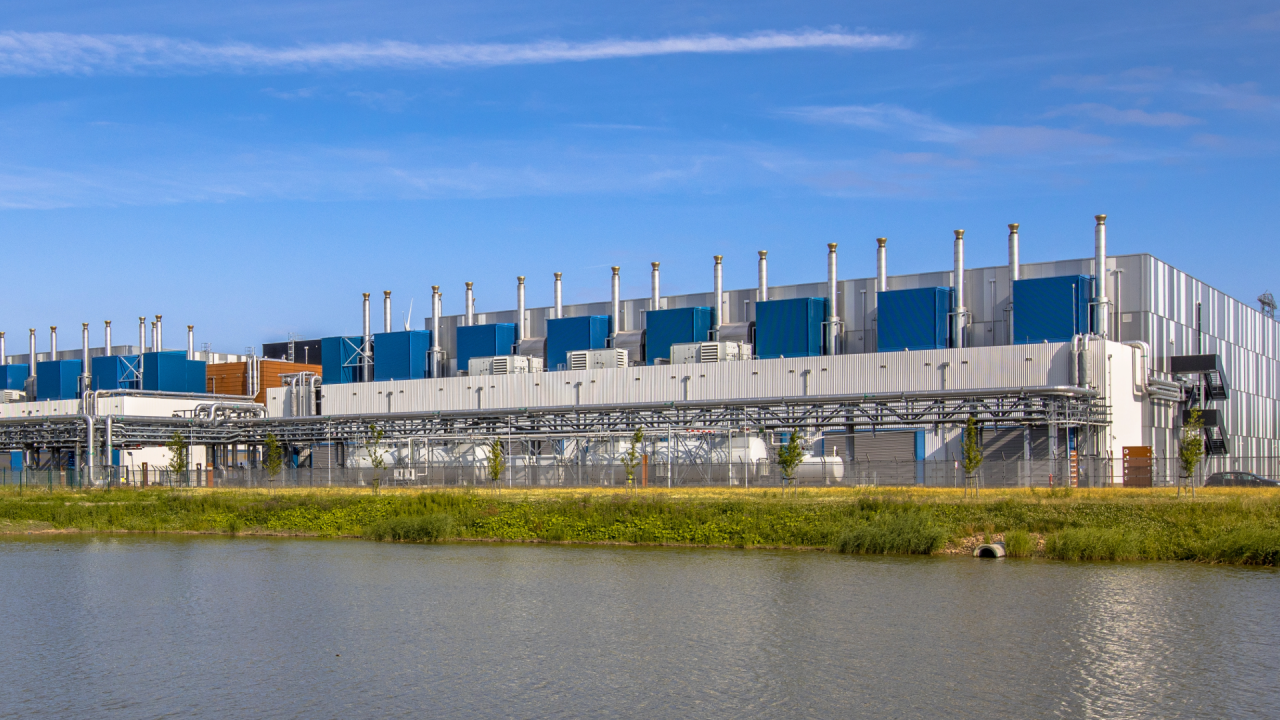
Data center deals are sold as campuses and conveyed as legal descriptions, and when the two do not match, the buyer pays for a campus and receives less than the campus. The outparcel for the substation, the stormwater lot, or the expansion pad only conveys if it is in the deed. This is my deep look at expansion parcels and legal descriptions in data center deals across Virginia and West Virginia.
Written by Anthony I. Shin, Esq., Principal and real estate attorney at Prime Title & Escrow
An outparcel left out of the legal description does not convey, no matter what the concept plan shows, and on a campus deal that missing piece is often the expansion you paid for.
Campus assemblages are built from several parcels acquired over time, which makes it easy for one to be left out of a contract exhibit, misdescribed, or held under a slightly different owner. Only a careful reconciliation of the legal description, the survey, the tax parcels, and the contract shows whether the whole campus is in the deed.
Older metes and bounds descriptions carry gaps, overlaps, and closure errors, and tax parcels are a clue rather than a boundary. This article walks through where descriptions and surveys disagree, how subdivision and assemblage have to line up, and how my team clears it before you sign.
A campus is sold by function, but it conveys by legal description
Data center deals are described in the language of campuses: the building, the future phases, the outparcels for substations and switchyards, the stormwater areas, the laydown yards, and the expansion pad. What actually conveys at closing is not the concept plan. It is the legal description in the deed. When the two do not match, the buyer pays for a campus and receives less than the campus, and the difference is often the very land that made the deal a platform rather than a single building. This is the most quietly expensive gap in a data center acquisition, because it does not look like a problem. The site walk shows the whole campus. The marketing shows the whole campus. Only a careful reconciliation of the legal description, the survey, the tax parcels, and the contract shows whether the whole campus is in the deed.The outparcel that never conveys
Campus assemblages are frequently made of several parcels acquired over time, and it is common for one to be left out of a contract exhibit, misdescribed, or held under a slightly different owner. If the expansion parcel, the substation lot, or the stormwater outparcel is not in the legal description, it does not convey, no matter what the concept plan shows. You pay for the phase and receive the building, while the seller keeps the parcel and the proceeds, and your future expansion now depends on buying back a piece of your own campus. I reconcile the legal description against the tax parcels, the survey, and the contract, parcel by parcel, so every piece you are paying for is actually in the deed. Where a parcel is missing or misdescribed, you hear it from me while it can still be fixed.When the legal description and the survey disagree
The legal description in the deed and the boundary on the survey should describe the same land. Sometimes they do not. Metes and bounds descriptions carried forward through decades of deeds can contain gaps, overlaps, closure errors, or references to monuments that no longer exist, and a large assemblage multiplies the chances of a mismatch. A description that does not close, or that conflicts with the surveyed boundary, is a title problem that can cloud the very acreage your expansion depends on. I compare the recorded legal description against the current ALTA survey and the title commitment so discrepancies surface during diligence. On a campus deal, that reconciliation is not a formality. It is how you confirm that the buildable acreage you priced is the buildable acreage the deed conveys.Assemblage, subdivision, and the pieces that have to line up
Data center campuses often require subdivision, lot line adjustments, or consolidation to create the parcels the project needs, and those steps have to be reflected in the record and consistent with the plat, the zoning, and the survey. A boundary line adjustment that was drawn but never properly recorded, or a subdivision that does not match the deed, can leave the parcel configuration you are relying on unsettled. I review the recorded plats, subdivision documents, and boundary adjustments against the description and the survey so the parcel structure you are buying is the one that is actually recorded.Tax parcels are a clue, not the deed
Buyers and lenders often lean on tax parcel numbers to describe a site, and tax maps are a useful clue, but they are not the legal description and they do not always match it. A single tax parcel can cover land conveyed by two deeds, and one deed can span several tax parcels, and assessors redraw and combine parcels for their own purposes. I never treat a tax parcel as the boundary. I tie the tax parcels back to the recorded legal descriptions so the contract, the deed, and the survey describe the same land, in Virginia and in West Virginia alike.An outparcel or expansion parcel left out of the legal description does not convey. You pay for a campus and receive a building, while the seller keeps the parcel and the proceeds, and your future expansion becomes a repurchase of your own site.
Questions data center buyers ask me about parcels
We are buying a multi-parcel campus. What can go wrong with the description?
The most common problem is a parcel that is left out of the legal description or misdescribed, so it never conveys. Closure errors, gaps, and overlaps in older metes and bounds descriptions are also common on large assemblages. I reconcile the description against the survey, the tax parcels, and the contract so a missing or mismatched parcel surfaces before closing.
Can we rely on the tax parcel numbers to define the site?
As a clue, yes; as the boundary, no. Tax parcels do not always match the recorded legal descriptions, and assessors combine and redraw them for their own reasons. I tie the tax parcels back to the recorded descriptions so the contract, the deed, and the survey all describe the same land.
The campus needs subdivision before we build. Does that affect the deal?
It can. Subdivisions, lot line adjustments, and consolidations have to be recorded and consistent with the plat, the survey, and the zoning. A boundary adjustment that was drawn but never properly recorded can leave the parcel structure unsettled. I review the recorded plats and boundary documents against the description and survey so the configuration you are buying is the one on record.
Send me the site, the parcels, and the target date, and I will read the recorded rights, reconcile the survey and the deed, and map the closing from letter of intent to recording.
Get Your Free Quoteor call (703) 552-4155This article is one part of a larger set. Start with the regional data center buyer’s guide, see the data center title and settlement service, or read the related issues below.
Legal access and haul routes • Zoning after Loudoun’s 2025 change • Power and transmission easements
Sources
Every legal framework named here is drawn from the sources below, current as of the dates shown. Where a source did not provide a figure, I have left it out rather than estimate.Code of Virginia, Title 58.1, Chapter 8, State Recordation Tax, §§ 58.1-801 through 58.1-814. law.lis.virginia.gov
West Virginia Code, § 11-22-2, Excise tax on privilege of transferring real property. code.wvlegislature.gov
Code of Virginia, Title 43, Mechanics’ and Materialmen’s Liens. law.lis.virginia.gov
Loudoun County, Virginia. Data Center Standards and Locations (ZOAM-2024-0001, CPAM-2024-0001, adopted March 18, 2025). loudoun.gov
This article provides general educational information for Virginia and West Virginia and is not legal, engineering, land use, tax, or regulatory advice for any specific transaction. Every acquisition requires review of its own property, documents, parties, intended use, and title-insurance terms. Legal frameworks are attributed to their sources and reflect the dates those sources describe, and they continue to change. Please confirm anything you intend to rely on, and reach out to me directly with questions about your own site.