
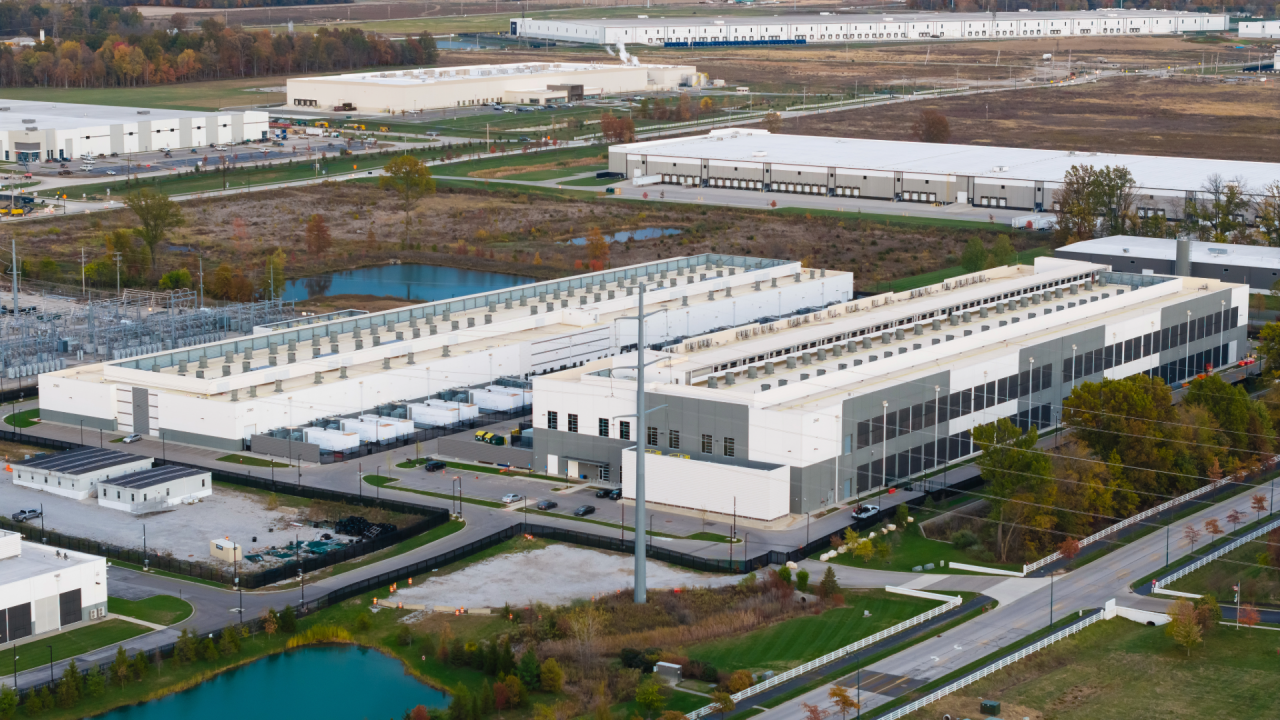
Data center sites are built and expanded almost continuously, and construction is where the most counterintuitive title risk lives. In both Virginia and West Virginia, a mechanic’s lien can relate back to when the work began, so a clean search today can be followed by a lien tomorrow with an earlier priority date. This is my deep look at mechanic’s lien exposure on data center construction across Virginia and West Virginia.
Written by Anthony I. Shin, Esq., Principal and real estate attorney at Prime Title & Escrow
A contractor you never hired can end up ahead of you on your own title, because a mechanic’s lien can take a priority date from when the work began rather than when it is filed.
On a data center site, recent or ongoing work is the norm, so the window for a lien claim is frequently still open at closing. Treating the title search as the final word on liens is the mistake; the protection is built at closing with waivers, affidavits, and escrow where exposure remains.
Virginia’s framework sits in Title 43 and West Virginia’s in Chapter 38, Article 2, and while the procedures differ, the relation-back trap is the same. This article walks through both states, why data centers carry more of this risk than most buildings, and how my team clears it.
Why a clean search today can still hide a lien tomorrow
Data center sites carry constant, heavy construction, and construction is where the most counterintuitive title risk lives. In both Virginia and West Virginia, a mechanic’s lien can relate back to when the work began rather than when the claim is filed. That means a title search that comes back clean on the day you close can still be followed by a lien recorded afterward, with priority dating to the seller’s construction. The contractor you never hired can end up ahead of you on your own title. This is not a rare edge case on data center deals. These sites are built and expanded almost continuously, so recent or ongoing work is the norm rather than the exception, and the window for a lien claim is frequently still open at closing. Treating the search as the final word on liens is the mistake. The right approach is to investigate the recent work and set the closing up to protect against what has not yet been filed.Virginia: the memorandum, the window, and priority
Virginia’s mechanic’s lien framework sits in Title 43 of the Code of Virginia. A claimant perfects a lien by recording a memorandum within a statutory window tied to the last work performed, and the lien’s priority can reach back to the commencement of the work on the project. The details, who can claim, what notices are required, and exactly how the window is counted, are specific and unforgiving, which is why contractors and suppliers treat the deadlines seriously and why a buyer should too. What matters for you is that the relation-back feature means a recorded lien can take a priority date earlier than your purchase. On a Virginia site with recent construction, I investigate the work, identify who performed it, and set the closing to address the exposure: collecting lien waivers and affidavits from the contractors and suppliers, and working with the title underwriter on requirements where exposure remains. Where the record shows recent activity, I would rather build that protection into the closing than hope the window closes quietly.West Virginia: a different statute, the same trap
West Virginia’s mechanic’s lien framework lives in Chapter 38, Article 2 of the West Virginia Code, and while the procedure differs from Virginia’s, the core risk is the same: a lien can attach based on when the work was done, so a claim filed after closing can still reach a project that was underway before you bought. The notice requirements and deadlines are their own, and they are specific enough that they belong to counsel and the title underwriter rather than to assumptions. On a West Virginia site, I run the same protective playbook adapted to the state’s statute: investigate the recent work, obtain waivers and affidavits, and coordinate underwriting requirements so the exposure is addressed at closing rather than left to chance.Why data centers carry more of this risk than most buildings
A data center is among the most construction-intensive assets you can buy. The shell, the electrical build-out, the cooling, the generators, the fiber, and the sitework involve many contractors and suppliers, often across overlapping phases, and expansions keep the work going long after the first building opens. Every one of those trades is a potential lien claimant if it was not paid, and the sheer number of them on a data center project widens the exposure compared with a simpler building. The volume of work is exactly why the relation-back rules deserve more attention here, not less.How the closing is built to protect you: waivers, affidavits, and escrow
The protection against lien exposure is assembled at closing, not searched for in the record. I collect lien waivers and a mechanic’s lien affidavit from the seller and, where appropriate, from contractors and suppliers, so the parties represent in writing that the trades have been paid. Where recent work leaves real exposure, I coordinate with the title underwriter on requirements, which can include holdbacks, escrows, or indemnities, so funds or protections are in place against a claim that has not yet been filed. The goal is that the risk is managed with documents and, where needed, retained funds, rather than left open.What title insurance does, and what it does not
An owner’s title policy can, depending on its terms, provide coverage against certain lien claims, but coverage depends on the specific policy, the endorsements, the underwriting requirements, and the facts, and it is never a substitute for handling the exposure properly at closing. I coordinate the underwriting so the requirements are met and the coverage is in place where it can be, and I am direct about where a specific risk falls outside coverage. The combination of investigation, waivers, escrow where needed, and the policy is what protects you, and no single piece of it does the job alone.In Virginia and West Virginia, a mechanic’s lien can relate back to when the work began. A clean search today can precede a lien tomorrow, with priority dating to the seller’s construction rather than your purchase.
Questions data center buyers ask me about liens
The title search came back clean. Doesn’t that settle the lien question?
Not on a site with recent construction. In both Virginia and West Virginia a mechanic’s lien can relate back to when the work began, so a clean search today can be followed by a lien recorded afterward with an earlier priority date. I investigate the recent work and build waivers, affidavits, and where needed escrow into the closing to address what has not yet been filed.
Why are data centers more exposed to lien risk than other buildings?
Because of the volume and continuity of construction. The shell, electrical, cooling, generators, fiber, and sitework involve many contractors and suppliers across overlapping phases, and expansions keep the work going. Each unpaid trade is a potential claimant, so the number of them on a data center project widens the exposure. That is why the relation-back rules deserve extra attention here.
Does title insurance cover mechanic’s liens?
Sometimes, depending on the policy, the endorsements, the underwriting requirements, and the facts, but it is never a substitute for handling the exposure at closing. I coordinate underwriting so coverage is in place where it can be, collect waivers and affidavits, and use escrow or holdbacks where real exposure remains. The protection comes from the combination, not from any one piece.
Send me the site, the parcels, and the target date, and I will read the recorded rights, reconcile the survey and the deed, and map the closing from letter of intent to recording.
Get Your Free Quoteor call (703) 552-4155This article is one part of a larger set. Start with the regional data center buyer’s guide, see the data center title and settlement service, or read the related issues below.
Power and transmission easements • Expansion parcels and legal descriptions • Zoning after Loudoun’s 2025 change
Sources
Every legal framework named here is drawn from the sources below, current as of the dates shown. Where a source did not provide a figure, I have left it out rather than estimate.Code of Virginia, Title 43, Mechanics’ and Materialmen’s Liens. law.lis.virginia.gov
West Virginia Code, § 38-2, Mechanics’ Liens. code.wvlegislature.gov
Code of Virginia, Title 58.1, Chapter 8, State Recordation Tax, §§ 58.1-801 through 58.1-814. law.lis.virginia.gov
West Virginia Code, § 11-22-2, Excise tax on privilege of transferring real property. code.wvlegislature.gov
Federal Bureau of Investigation, Internet Crime Complaint Center. Business email compromise (wire-fraud context for construction-payout closings). ic3.gov
This article provides general educational information for Virginia and West Virginia and is not legal, engineering, land use, tax, or regulatory advice for any specific transaction. Every acquisition requires review of its own property, documents, parties, intended use, and title-insurance terms. Legal frameworks are attributed to their sources and reflect the dates those sources describe, and they continue to change. Please confirm anything you intend to rely on, and reach out to me directly with questions about your own site.