
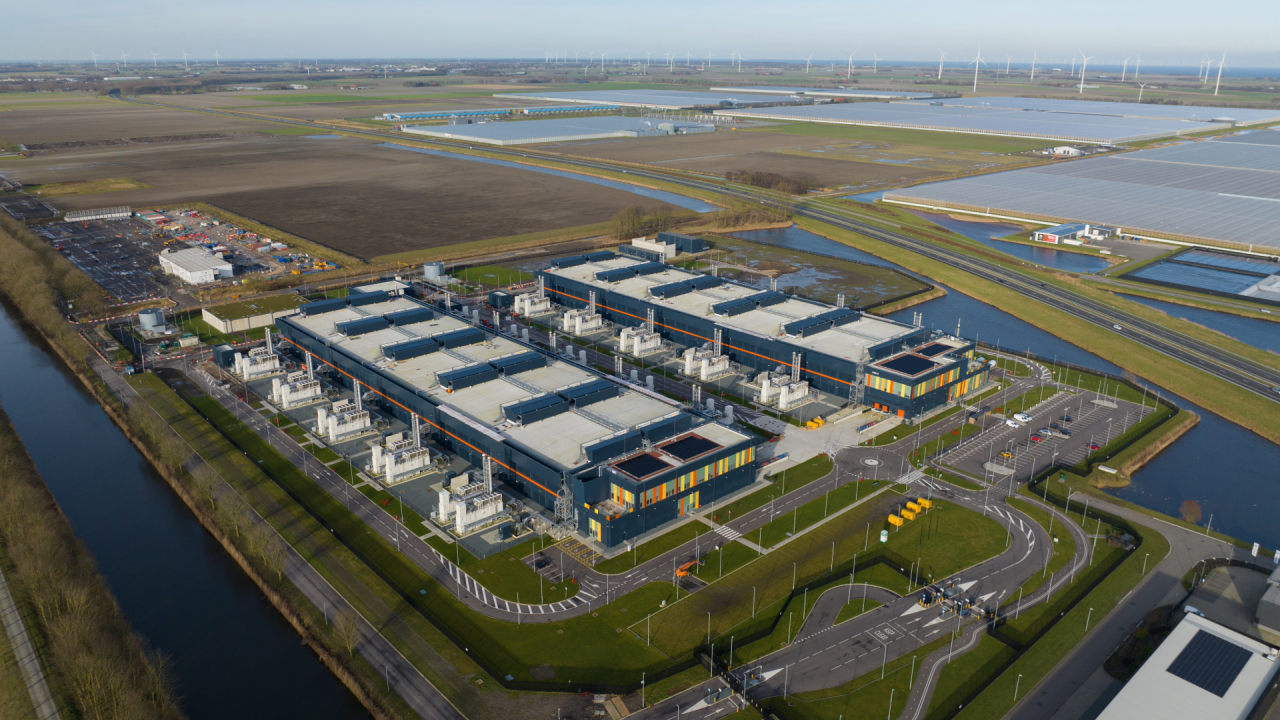
On March 18, 2025, Loudoun County ended by-right data center development, moving new projects into a special exception process with public hearings and a discretionary vote. That single change reshaped diligence in the largest data center market in the world, and West Virginia moved in the opposite direction the same year. This is my deep look at data center zoning across Virginia and West Virginia after Loudoun’s 2025 change.
Written by Anthony I. Shin, Esq., Principal and real estate attorney at Prime Title & Escrow
Recorded proffers and conditions run with the land, not with the seller, and after Loudoun’s 2025 change the zoning status of a site is a question to answer, not a box to check.
Loudoun’s Board voted seven to two in March 2025 to make data centers a special exception use in the districts where they were once by-right, with a narrow grandfathering line tied to a February 12, 2025 date, a five hundred foot residential setback, and a limit on substantial modification. The default path is now legislative.
West Virginia went the other way, barring localities from hindering certified data center districts and routing qualifying projects through a state certification. Land use strategy belongs to your counsel; the recorded layer the entitlement rides on is mine. This article walks through both, and how my team clears the title side.
What Loudoun changed in 2025
On March 18, 2025, the Loudoun County Board of Supervisors voted seven to two to end by-right data center development. Through a zoning ordinance amendment and a comprehensive plan amendment, data centers went from an administratively approved use in the districts where they were previously by-right, including the Industrial Park, General Industry, and Mineral Resources-Heavy Industry districts, to a use that now requires a special exception. The comprehensive plan amendment reclassified data centers as a conditional use rather than a core or complementary one. This is the single most consequential land use change for buyers in the largest data center market in the world. For years, much of Loudoun’s data center growth was approved at staff level, because data centers were treated as an office use until a 2014 amendment defined them and then permitted them by right in several districts. That era ended in March 2025. The county has said it cannot impose a moratorium, because Virginia law requires each application to be considered on its own merits, but the default path is now legislative rather than administrative.What special exception means for your timeline
A by-right project was reviewed administratively through the site plan process. A special exception is a legislative process: staff review, then public hearings before both the Planning Commission and the Board of Supervisors, then a discretionary vote. That is a longer, less certain path, and it invites conditions. The practical effect for a buyer is that entitlement risk and timeline now sit squarely inside diligence, and a site’s zoning status is no longer a box to check but a question to answer. This is land use work, and it belongs to your land use counsel, who will run the special exception. My lane is the recorded layer that the entitlement rides on, and I make sure the title reflects every recorded proffer, condition, easement, and restriction that a special exception review will surface or rely on.The grandfathering line, and why the date and the setback matter
The county adopted a grandfathering resolution that lets certain applications accepted before February 12, 2025 continue under administrative review without a special exception, but only for projects more than five hundred feet from residential units, and only if the application is diligently pursued with no substantial modification. A substantial modification is defined in part as an increase of more than five percent in the proposed square footage. Whether a specific site is grandfathered, and whether a planned change would forfeit that status, is a fact-specific question with real consequences for value and timeline. For a buyer, the grandfathering status of a pending application can be a central term of the deal. I confirm what the record shows about the application and any recorded conditions tied to it, and your land use counsel confirms the grandfathering status and what would jeopardize it.Proffers and conditions run with the land, not with the seller
Whatever a prior owner agreed to in a rezoning or special exception is recorded against the land and binds you, regardless of what the seller remembers or discloses. Proffers can cap density, dictate building height and setbacks, require buffers and screening, limit noise, and impose design and phasing conditions. On a data center site those conditions can directly constrain the build you priced. A recorded proffer that limits the use is not the seller’s problem after closing. It is yours. This is exactly the recorded layer I read on every file. I surface the proffers, conditions, declarations, and restrictive covenants in the record so the limits on the property are known before closing rather than discovered after, and I flag anything that appears to conflict with your intended build for your land use counsel to evaluate.Beyond Loudoun: the trend across Northern Virginia
Loudoun is the headline, but it is not alone. Prince William and other Northern Virginia jurisdictions have tightened data center review, added standards, and increased scrutiny of noise, buffers, and proximity to homes and historic and environmental resources. The direction of travel across the region is toward more discretionary review, not less. For a buyer, that means the assumption that a data center is permitted somewhere it was once routine no longer holds without checking the current ordinance and the recorded conditions on the specific parcel.West Virginia moved the other way
While Northern Virginia added review, West Virginia reduced it for qualifying projects. The 2025 Power Generation and Consumption Act, House Bill 2014, prohibits counties and municipalities from enacting or enforcing ordinances that would prohibit or hinder certified data center and microgrid districts, and it routes qualifying projects through a state certification process rather than the usual local approvals. It also changes how the property is taxed, moving assessment of certified data center property to the state Board of Public Works with a statutory distribution formula. That is a very different posture from Loudoun’s, and it changes what diligence looks like on a West Virginia site. The recorded rights, the certification, and the tax treatment all need to be confirmed together. I read the recorded layer and coordinate the certification and the state tax framework with your West Virginia counsel.Recorded proffers and conditions run with the land regardless of what the seller remembers. If one caps density, height, or the use you paid for, that ceiling becomes your problem, not theirs, and in a special exception world it can also shape whether a project is approvable at all.
Questions data center buyers ask me about zoning
Is it still possible to build a data center by right in Loudoun?
Not in the districts changed by the March 18, 2025 amendment. Data centers there now require a special exception, which means staff review plus public hearings before the Planning Commission and the Board of Supervisors and a discretionary vote. Certain applications accepted before February 12, 2025 may be grandfathered under conditions. Your land use counsel confirms the current status for a specific parcel.
We are buying a site with a pending application. Is it grandfathered?
That depends on the facts. The grandfathering resolution generally applies to applications accepted before February 12, 2025 that are more than five hundred feet from homes and pursued without substantial modification, with a more than five percent square-footage increase treated as substantial. I confirm what the record shows about the application and its recorded conditions, and your land use counsel confirms the grandfathering status itself.
How is data center zoning different in West Virginia?
West Virginia moved toward encouraging data centers. Its 2025 Power Generation and Consumption Act bars localities from hindering certified data center and microgrid districts and routes qualifying projects through a state certification, with a special state tax treatment. That is close to the opposite of Loudoun’s approach. I read the recorded rights and coordinate the certification and tax framework with your West Virginia counsel.
Send me the site, the parcels, and the target date, and I will read the recorded rights, reconcile the survey and the deed, and map the closing from letter of intent to recording.
Get Your Free Quoteor call (703) 552-4155This article is one part of a larger set. Start with the regional data center buyer’s guide, see the data center title and settlement service, or read the related issues below.
Power and transmission easements • Expansion parcels and legal descriptions • Legal access and haul routes
Sources
Every legal framework named here is drawn from the sources below, current as of the dates shown. Where a source did not provide a figure, I have left it out rather than estimate.Loudoun County, Virginia. Data Center Standards and Locations (ZOAM-2024-0001, CPAM-2024-0001, adopted March 18, 2025). loudoun.gov
West Virginia House Bill 2014 (2025 Regular Session), the Power Generation and Consumption Act, signed April 2025 and effective July 11, 2025.
Joint Legislative Audit and Review Commission of Virginia. Data Centers in Virginia (December 2024).
Code of Virginia, Title 58.1, Chapter 8, State Recordation Tax, §§ 58.1-801 through 58.1-814. law.lis.virginia.gov
West Virginia Code, § 11-22-2, Excise tax on privilege of transferring real property. code.wvlegislature.gov
McGuireWoods LLP. Loudoun County Eliminates By-Right Use for Data Centers (April 2025), summarizing the March 18, 2025 amendments and grandfathering resolution.
This article provides general educational information for Virginia and West Virginia and is not legal, engineering, land use, tax, or regulatory advice for any specific transaction. Every acquisition requires review of its own property, documents, parties, intended use, and title-insurance terms. Legal frameworks are attributed to their sources and reflect the dates those sources describe, and they continue to change. Please confirm anything you intend to rely on, and reach out to me directly with questions about your own site.