
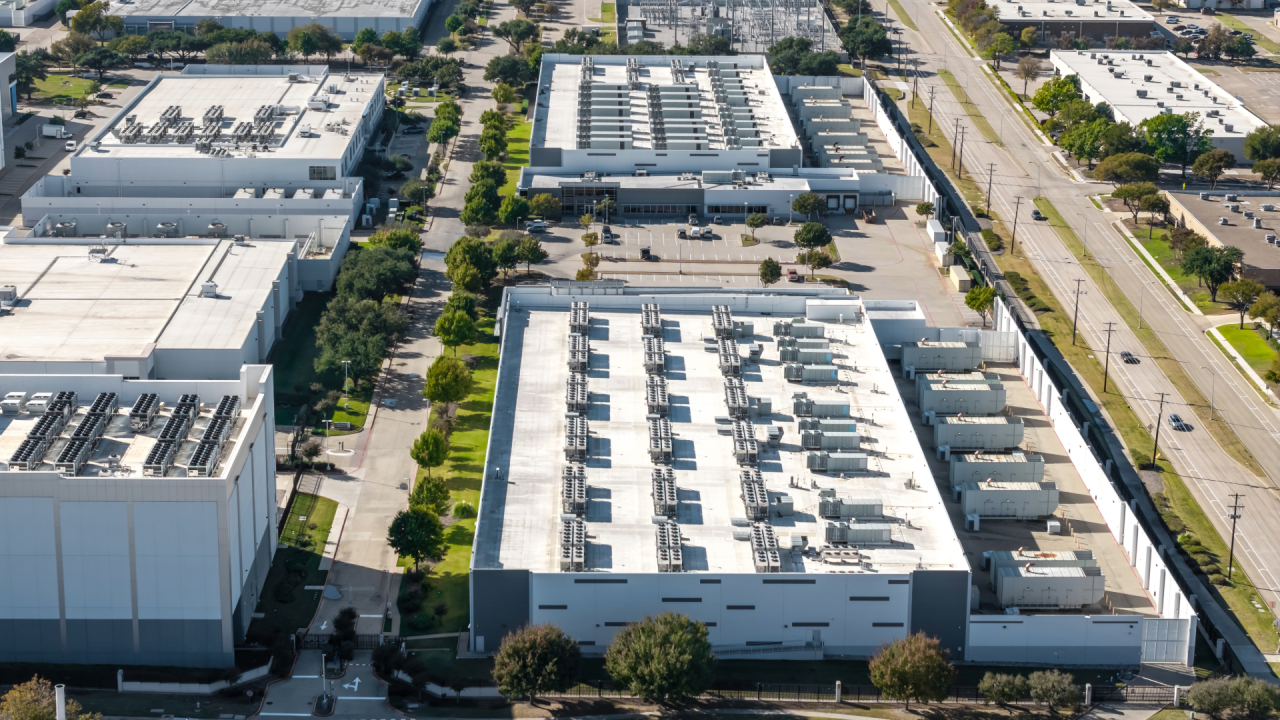
A data center lives on its ability to move data, and that ability depends on fiber routes and conduit rights that have to be recorded, durable, and anchored on land you control. Proximity to fiber is not the same as a right to use it, and a route that dead-ends one parcel short can quietly erase the value that justified the price. This is my deep look at fiber and conduit rights for data center sites in Virginia and West Virginia.
Written by Anthony I. Shin, Esq., Principal and real estate attorney at Prime Title & Escrow
Connectivity feels like an engineering question, but whether the route legally reaches your building and transfers to you when you buy is a title question, and that is the part I confirm.
For fiber to be an asset rather than an assumption, the record has to show three things: that the route is a recorded right, that it is durable, and that it benefits your parcel or transfers to you. A conduit next to the site that you have no recorded right to use is not connectivity.
Northern Virginia’s dense fiber is an advantage and a trap for the unwary, and West Virginia’s thinner network makes the recorded route rights more decisive, not less. This article walks through what the record has to show, where routes fail, and how my team clears it.
Connectivity is a title question before it is an engineering one
A data center is only as valuable as its ability to move data, and that ability depends on fiber routes and conduit rights that have to be recorded, assignable, and anchored on land you control or have a durable right to cross. Fiber feels like an engineering topic, and part of it is. But whether the route can legally reach your building, and whether it stays with the property when you buy it, are title questions. Those are the ones I answer. Northern Virginia became the busiest data center market on earth in part because of the dense fiber already in the ground around Ashburn. That density is an advantage, and it is also a trap for the unwary buyer who assumes proximity equals a right. A conduit ten feet away that you have no recorded right to use is not connectivity. It is a negotiation waiting to happen.What the record has to show: recorded, durable, and yours
For fiber to be an asset rather than an assumption, the recorded rights should show three things. First, that the route exists as a recorded easement or agreement rather than a course of dealing. Second, that it is durable, meaning it is not revocable at will, not expiring, and not subject to removal on short notice. Third, that it benefits the parcel you are buying, or transfers to you, rather than running to a prior owner or an affiliate that keeps it. I read the easements, the conduit and duct agreements, the licenses, and any dark fiber or IRU documents in the record to confirm those three points.When the route dead-ends on land you do not own
The quiet failure on a fiber-served site is a conduit right that stops one parcel short of the building, or a route that crosses land the seller does not control and never secured in writing. When that happens, the connectivity that justified the price is not actually yours. The seller keeps the proceeds, and closing the gap becomes your problem, on the other owner’s timeline and terms. I trace the route in the record from the point of presence to the building, parcel by parcel, and flag any segment where the right is missing, weak, or held by someone else. Where a new easement is needed to complete the path, that is curable, but the room to negotiate it lives before closing, not after.Assignability and consent: rights that do not transfer automatically
Many fiber and conduit rights are contractual, and contracts can require consent to assign. A duct license, a cross-connect agreement, or an indefeasible right of use may not pass to a buyer without the counterparty’s approval, and some carry change-of-control provisions that treat your acquisition as a trigger. A right that exists on paper but cannot be transferred to you is worth confirming before you rely on it. I identify which connectivity rights run with the land and which need an assignment or consent, and I flag the ones that touch your acquisition structure so your counsel and the providers can handle the paperwork on the closing timeline. This is the same discipline I bring to power on the site, and the two often move together.West Virginia: thinner routes and a bigger role for the record
West Virginia is early in its data center growth, with a small fraction of Virginia’s footprint, and outside a few corridors the fiber network is thinner. That makes the recorded route rights more decisive, not less, because there is less redundancy to fall back on if a segment turns out to be missing. On an Eastern Panhandle or coalfields site, I read the recorded conduit and fiber rights closely and coordinate with your engineers on whether the physical route can carry the design, because in a thinner market the gap between a drawn route and a recorded one is where deals stall.When a conduit right stops one parcel short or cannot be assigned, the route that made the site valuable is not yours. The seller keeps the price, and the fix becomes your negotiation with whoever controls the missing segment.
Questions data center buyers ask me about fiber
Isn’t fiber an engineering question rather than a title question?
Both. Whether the physical route can carry your design is for your engineers and providers. Whether the route is a recorded, durable right that reaches your building and transfers to you is a title question, and that is the part I confirm. The two have to line up, so I coordinate the recorded review with the technical one.
There is fiber right next to the site. Isn’t that enough?
Not by itself. Proximity is not a right. A conduit next to the parcel that you have no recorded easement to use gives you nothing you can rely on. I look for the recorded route to your building, and where it is missing, I flag it as a curable item to negotiate before closing rather than after.
Do fiber and conduit rights automatically transfer when we buy the site?
Not always. Many are contractual and can require consent to assign, and some treat a change of control as a trigger. I identify which rights run with the land and which need an assignment or consent, and I coordinate those with your counsel and the providers so nothing critical to connectivity is left behind at closing.
Send me the site, the parcels, and the target date, and I will read the recorded rights, reconcile the survey and the deed, and map the closing from letter of intent to recording.
Get Your Free Quoteor call (703) 552-4155This article is one part of a larger set. Start with the regional data center buyer’s guide, see the data center title and settlement service, or read the related issues below.
Power and transmission easements • Legal access and haul routes • Expansion parcels and legal descriptions
Sources
Every legal framework named here is drawn from the sources below, current as of the dates shown. Where a source did not provide a figure, I have left it out rather than estimate.Code of Virginia, Title 58.1, Chapter 8, State Recordation Tax, §§ 58.1-801 through 58.1-814. law.lis.virginia.gov
West Virginia Code, § 11-22-2, Excise tax on privilege of transferring real property. code.wvlegislature.gov
Loudoun County, Virginia. Data Center Standards and Locations (ZOAM-2024-0001, CPAM-2024-0001, adopted March 18, 2025). loudoun.gov
Joint Legislative Audit and Review Commission of Virginia. Data Centers in Virginia (December 2024).
Surface Transportation Board. Railroad map depot (for corridor and crossing context where fiber follows rail). stb.gov
This article provides general educational information for Virginia and West Virginia and is not legal, engineering, land use, tax, or regulatory advice for any specific transaction. Every acquisition requires review of its own property, documents, parties, intended use, and title-insurance terms. Legal frameworks are attributed to their sources and reflect the dates those sources describe, and they continue to change. Please confirm anything you intend to rely on, and reach out to me directly with questions about your own site.