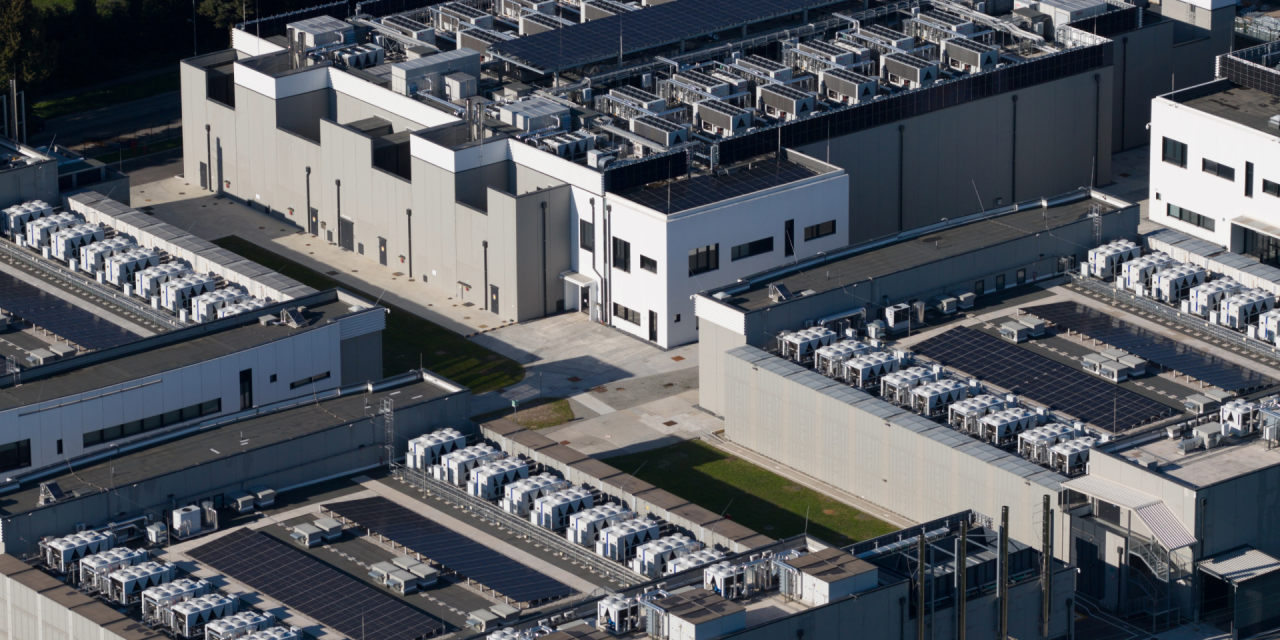
A paved entrance is not a recorded right. How we verify legal access, frontage, and haul routes for a data center site in Virginia and West Virginia.

A paved entrance is not a recorded right. How we verify legal access, frontage, and haul routes for a data center site in Virginia and West Virginia.
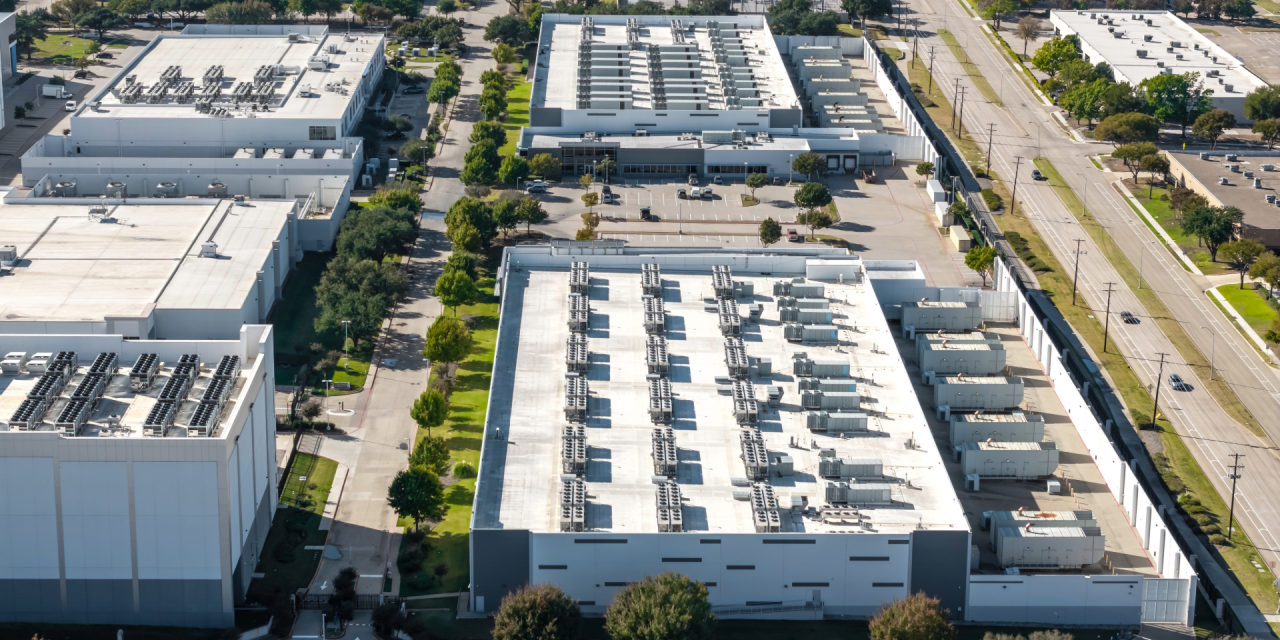
Proximity to fiber is not a right. How we confirm recorded, durable, transferable conduit rights before you buy a data center site in Virginia and West Virginia.

Recorded power and transmission easements, not the building, decide whether a data center site can be built. Here is what we check in Virginia and West Virginia.

A regional buyer's guide to industrial acquisitions across Virginia and West Virginia: legal access, rail, utilities, stormwater, environmental covenants, zoning, equipment, tenants, taxes, and the closing, by Anthony I. Shin, Esq.
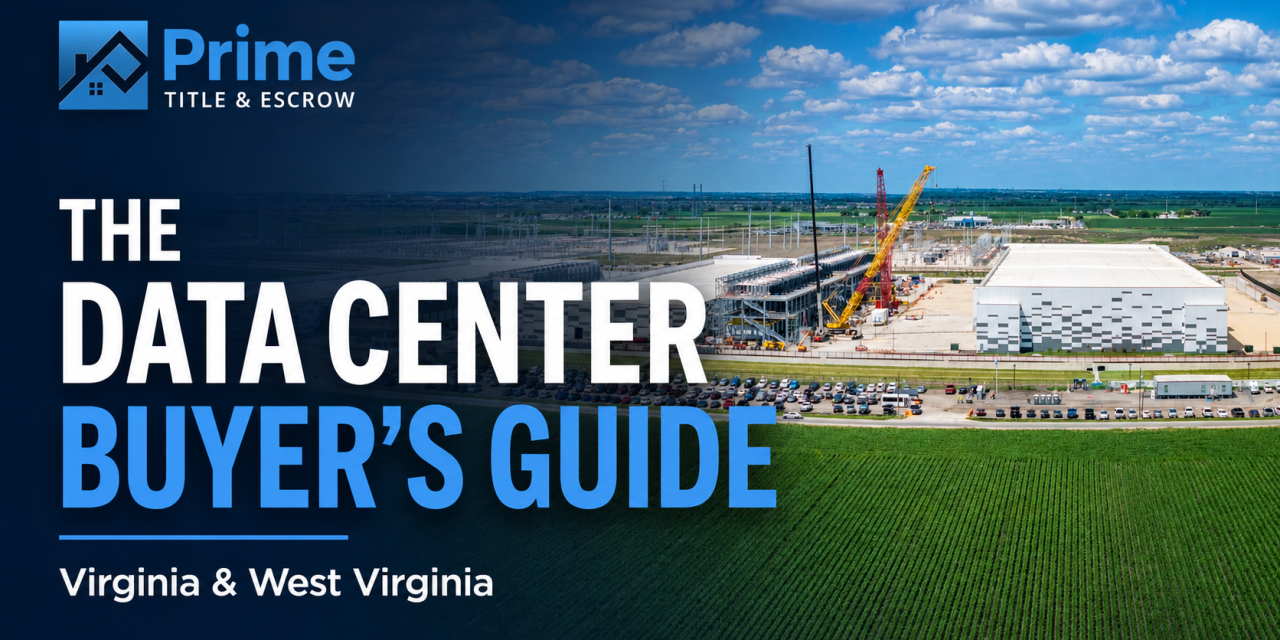
A regional buyer's guide to data center acquisitions across Virginia and West Virginia, from Data Center Alley to the Eastern Panhandle. Power, fiber, zoning, title, taxes, and the closing, by Anthony I. Shin, Esq.

My 2026 read on Roanoke and Southwest Virginia: a resilient Roanoke Valley, a university driven New River Valley near Virginia Tech, much looser Franklin County, and why a careful closing protects the deal.
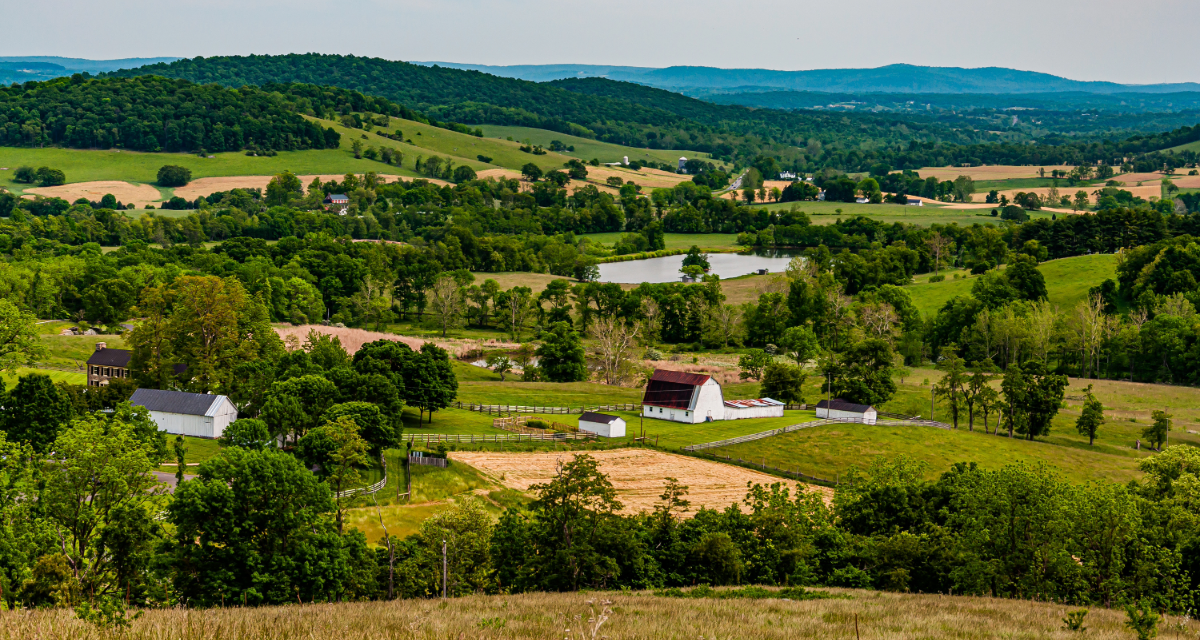
My 2026 read on the Shenandoah Valley along Interstate 81: a softer northern gateway, a firmer central and southern corridor, industrial and agricultural strength, and why a careful closing protects the deal.
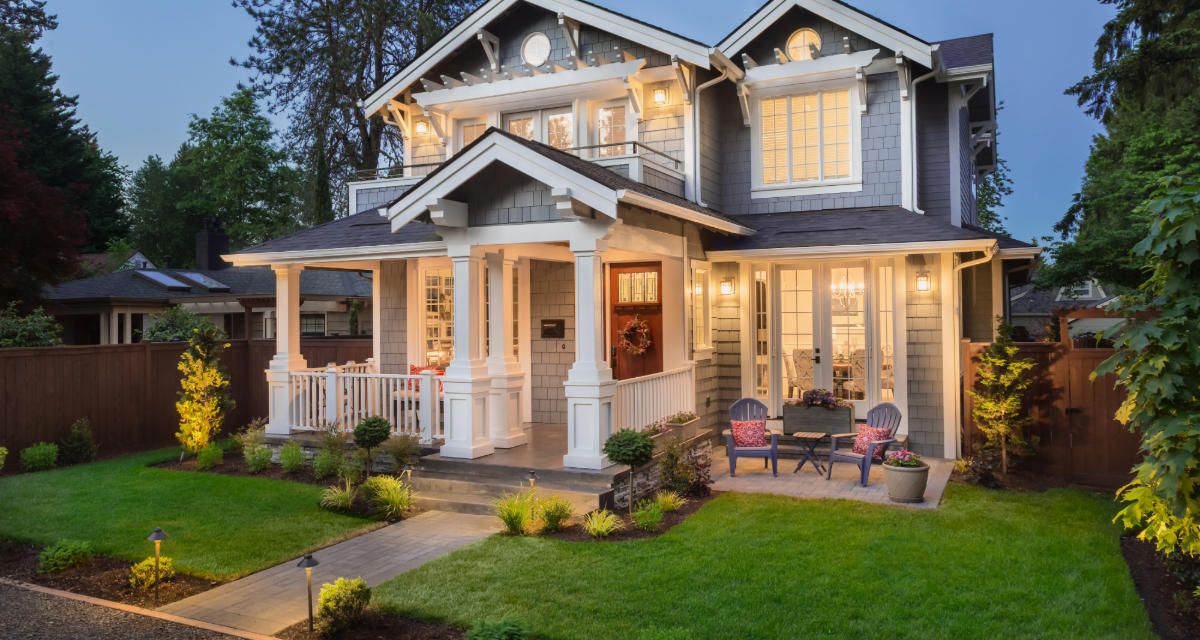
Buying a home in Roanoke and the New River Valley of Virginia, from the Star City and Salem to Virginia Tech in Blacksburg and Christiansburg. Mountain lots and surveys, student rentals, severed mineral rights, and what to expect at closing.

Buying a home in the Shenandoah Valley of Virginia, from the apple country around Winchester to the college town of Harrisonburg and the historic cities of the south. Wells and septic, the limestone ground underfoot, rural chains of title, and what to expect at closing.

Buying a home or farm in Fauquier County and the Virginia hunt country, from historic Warrenton to the estates and wineries around The Plains and Marshall and the commuter side near New Baltimore. Conservation easements, land-use rollback taxes, wells and septic, surveys, and closing.