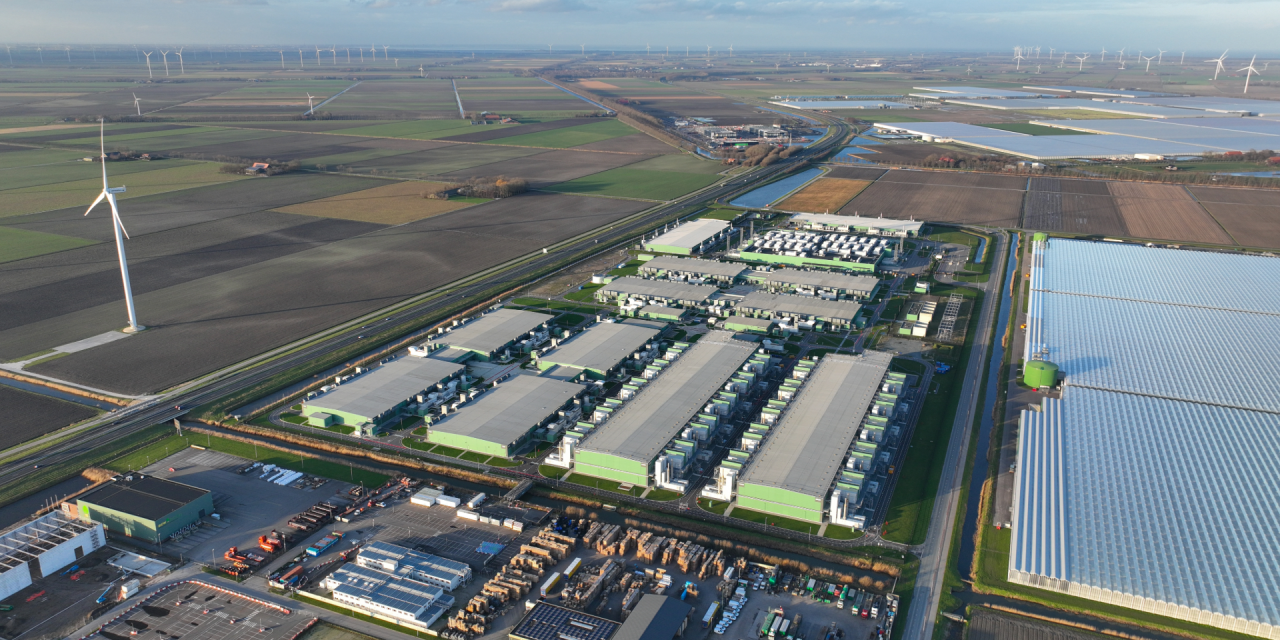
An owner-operator, a developer, a fund, an M&A team, a finance chief, and counsel all buy the same data center and carry different risks. A role-by-role guide to Virginia and West Virginia.

An owner-operator, a developer, a fund, an M&A team, a finance chief, and counsel all buy the same data center and carry different risks. A role-by-role guide to Virginia and West Virginia.

Industrial sites carry constant work, and a clean search today can precede a lien tomorrow. How mechanic's lien relation-back works in Virginia and West Virginia.

Recorded covenants and use restrictions survive every sale and can forbid the use you paid for. What we surface for an industrial site in Virginia and West Virginia.

Heavy utilities and stormwater ride on recorded maintenance obligations that bind the next owner. What we check for an industrial site in Virginia and West Virginia.

Leases, options, and possession rights survive the closing. How we handle recorded leases, estoppels, and delivery of possession in Virginia and West Virginia.
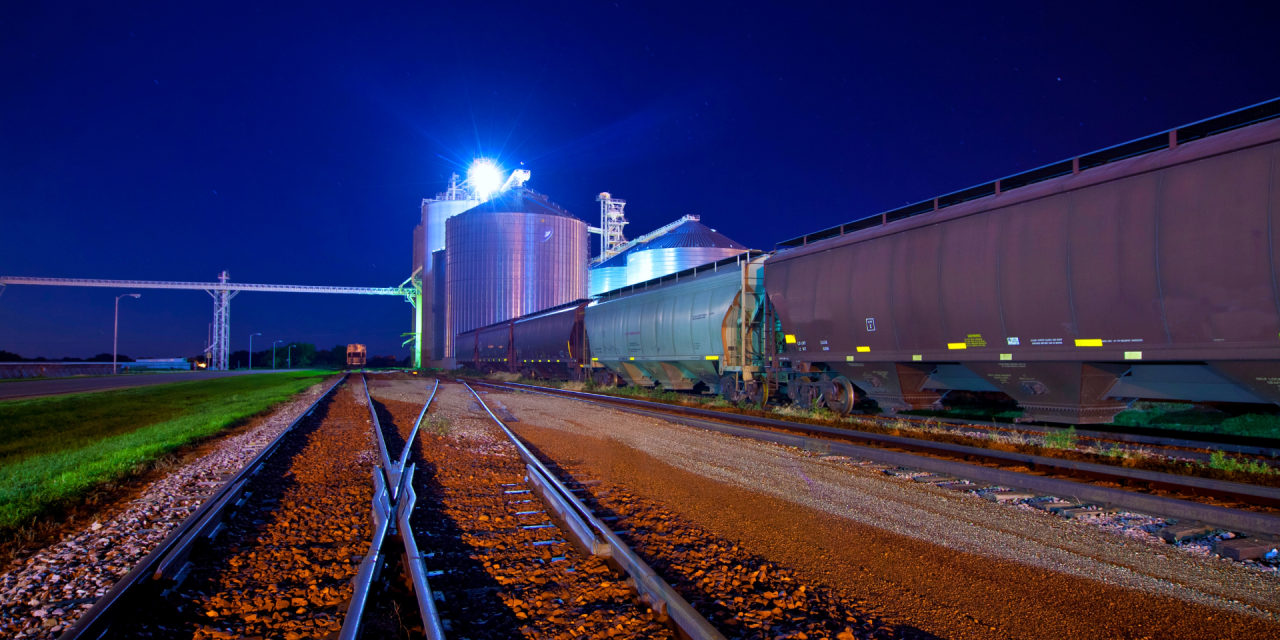
Rail-served is not rail-controlled. How we verify siding and crossing rights, and what needs the railroad's consent, for an industrial site in Virginia and West Virginia.
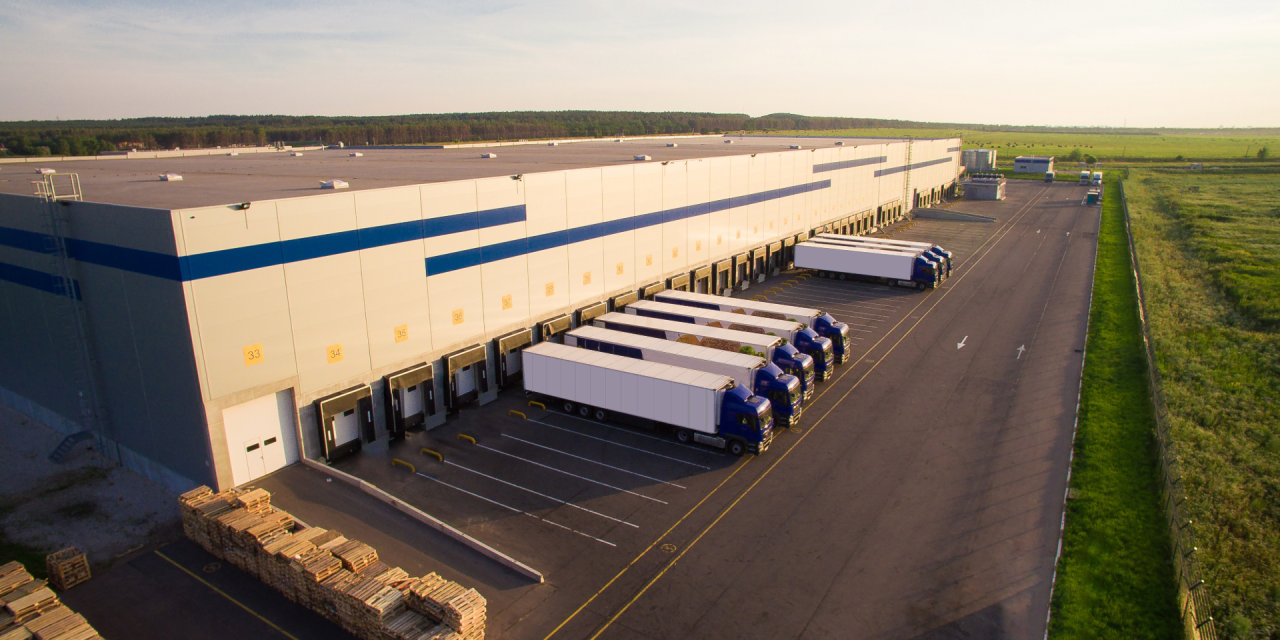
The docks only work if trucks can legally reach them. How we verify recorded access, shared entrances, and gaps for an industrial site in Virginia and West Virginia.
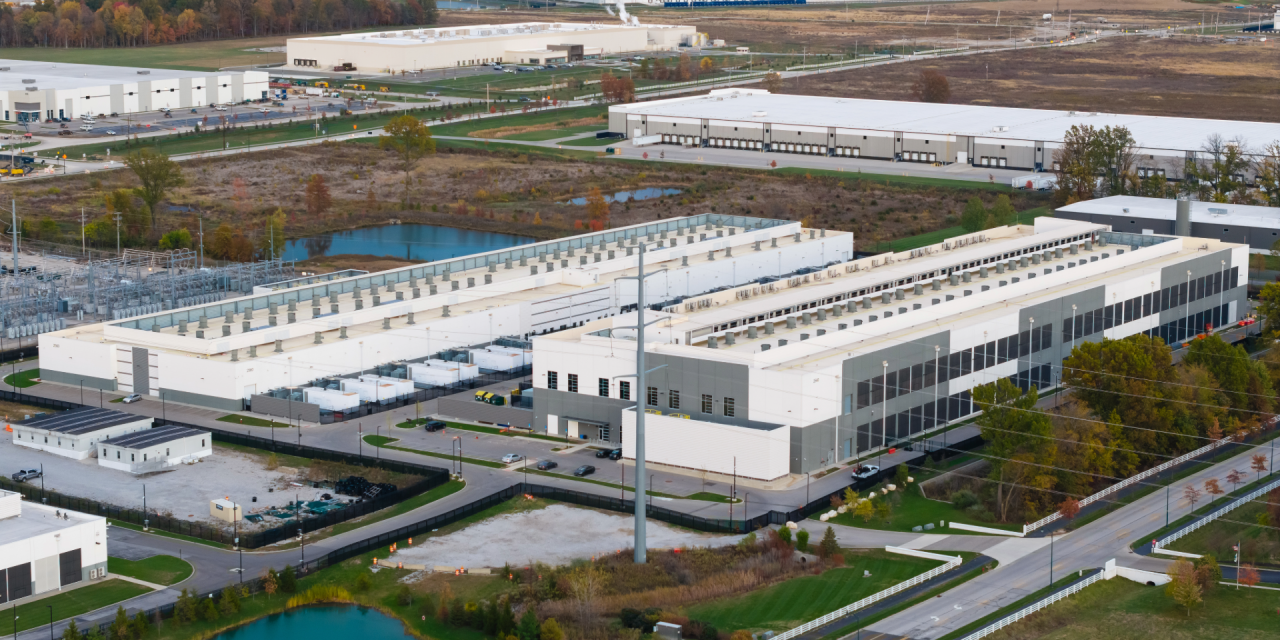
A clean search today can precede a lien tomorrow. How mechanic's lien relation-back works on data center construction in Virginia and West Virginia.
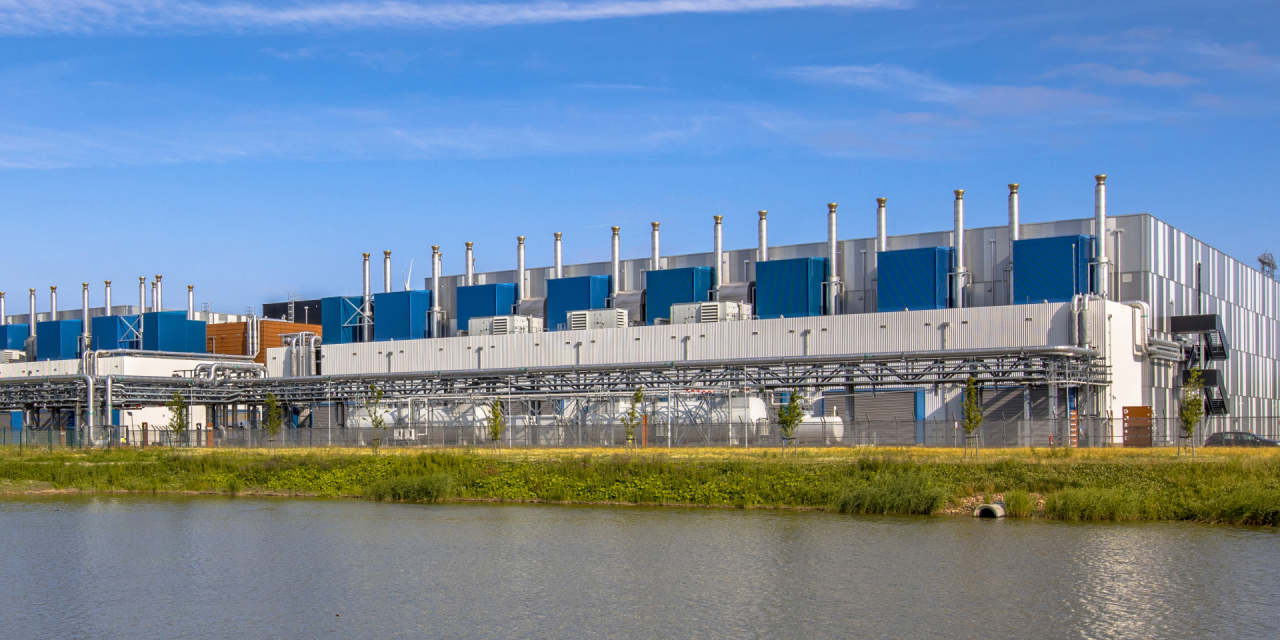
The outparcel only conveys if it is in the deed. How we reconcile expansion parcels and legal descriptions on data center deals in Virginia and West Virginia.
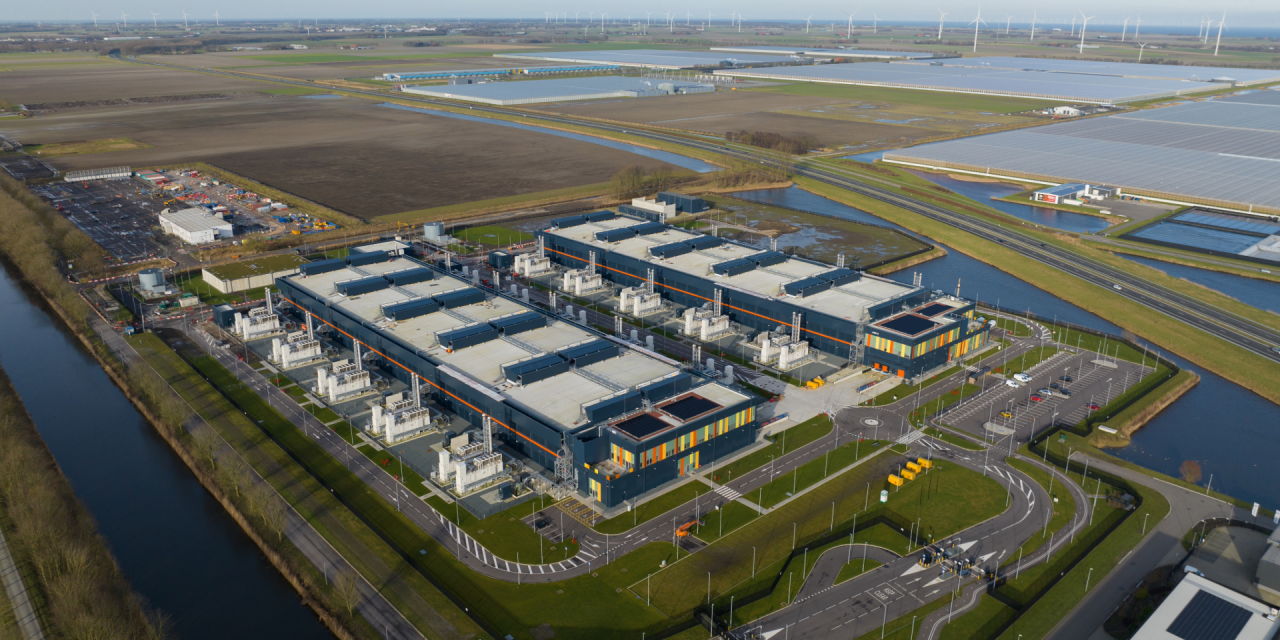
Loudoun ended by-right data center zoning in 2025. What special exceptions and recorded proffers mean for buyers, and how West Virginia moved the other way.