
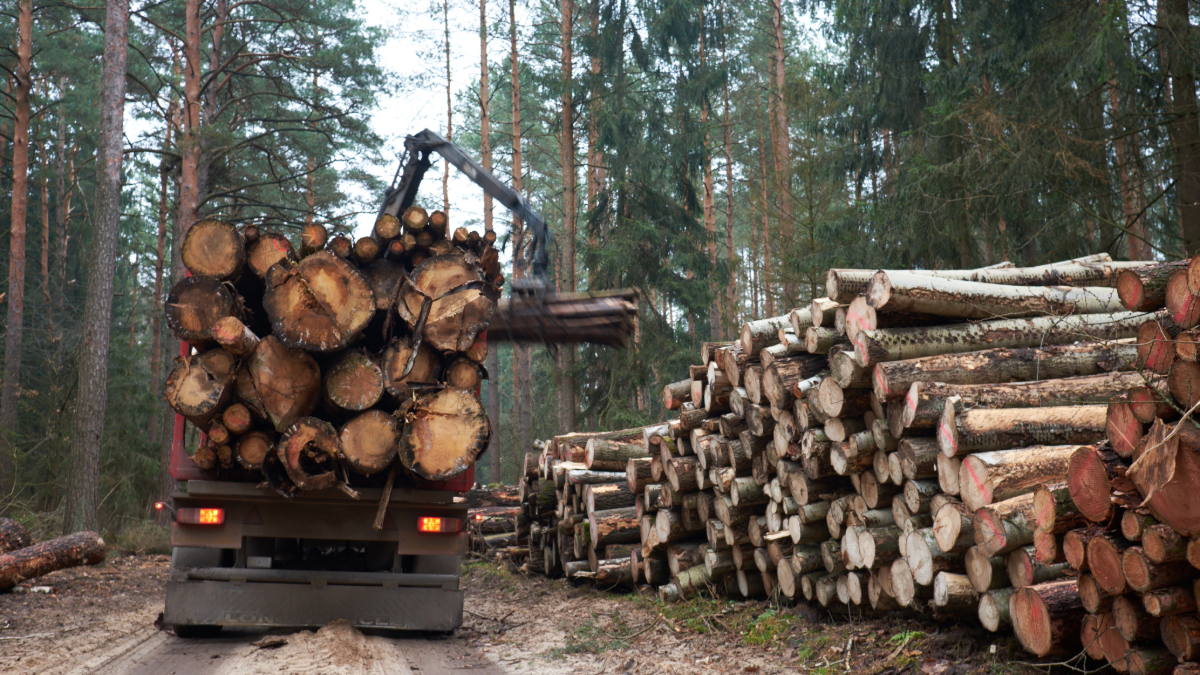
Timberland trades two ways in Virginia. Sometimes the whole tract sells, land and trees together. Other times the landowner keeps the land and sells just the timber, letting a logger cut and haul it. Both are real estate transactions with title questions, and the second one can leave a recorded interest on your land. Here is how timber and timberland work on the title side.
Buying timberland is buying the land and what grows on it
When you buy a timber tract outright, you are buying the land and the standing timber on it, the same way buying farmland includes what is growing, a topic I touch on in my piece on farm and vineyard land. The title search confirms the seller owns the tract, the survey establishes the boundaries and acreage, often by metes and bounds on a large rural parcel, and the policy insures the ownership. The trees pass with the land unless something in the record says otherwise.
Selling the timber without selling the land
Standing timber can be sold separately from the land. In a typical timber sale, the landowner signs a timber deed or cutting contract that gives a buyer the right to cut and remove the timber, sometimes for a lump sum and sometimes pay-as-cut. While that right exists, it is an interest in the property, and if it is recorded, it shows up against the land. For the landowner, the key is that the contract is written and bounded clearly, by area, time, and what can be cut, so the right ends when the job is done.
Selling your standing timber can create a recorded right to cut that encumbers the land while it lasts. Clear terms on area, time, and volume keep that interest from clouding the title after the logging is finished.
Severed timber rights in the chain
Just like mineral rights, timber rights can be severed from the land in the record. An old timber deed that was never released, or a reservation of timber in a past conveyance, can leave a question about who owns the standing timber today. A careful title search catches these, because a buyer who thinks the trees come with the land needs to know if someone else holds a recorded right to them. We trace and disclose any severed or reserved timber interest.
Access, boundaries, and the survey
Timberland value depends on getting equipment in and logs out, so access is central. Many tracts reach a public road only over a recorded right of way, the kind of easement and access question that can make or break a timber operation. Boundaries matter too, since cutting across a property line is a real risk on unmarked rural land, which is why an accurate survey is worth the cost on a timber tract.
Title insurance and recording
Title insurance protects the buyer’s ownership of the land the usual way, the coverage I explain in my guide to title insurance in Virginia, with any severed timber interest noted. A timber deed or contract, if recorded, and any release when the cutting is done, record with the local Circuit Court Clerk. Timber is a working asset across Southside and Southwest Virginia, and our commercial services cover timberland purchases and timber sales for both landowners and buyers.
Common questions
Do the trees come with the land when I buy timberland?
Usually yes. Buying a timber tract includes the standing timber unless the record shows the timber was severed or reserved by a prior owner, which a title search would catch.
Can I sell my timber without selling the land?
Yes. A timber deed or cutting contract gives a buyer the right to cut and remove the timber while you keep the land. If recorded, that right shows up against the land until the cutting is done.
What is a severed timber right?
A recorded interest where someone other than the landowner holds the right to the standing timber, often from an old timber deed that was never released or a reservation in a past deed. We trace and disclose these.
Why does access matter so much on timberland?
Because equipment has to get in and logs have to get out. Many tracts reach a road only over a recorded right of way, so confirming access, and accurate boundaries, is essential before a timber deal.
Send us the property and the timeline, and we will send back a clear quote with no guesswork. Independent, attorney-led title and escrow across Virginia and West Virginia.
Get Your Free Quoteor call (703) 552-4155