
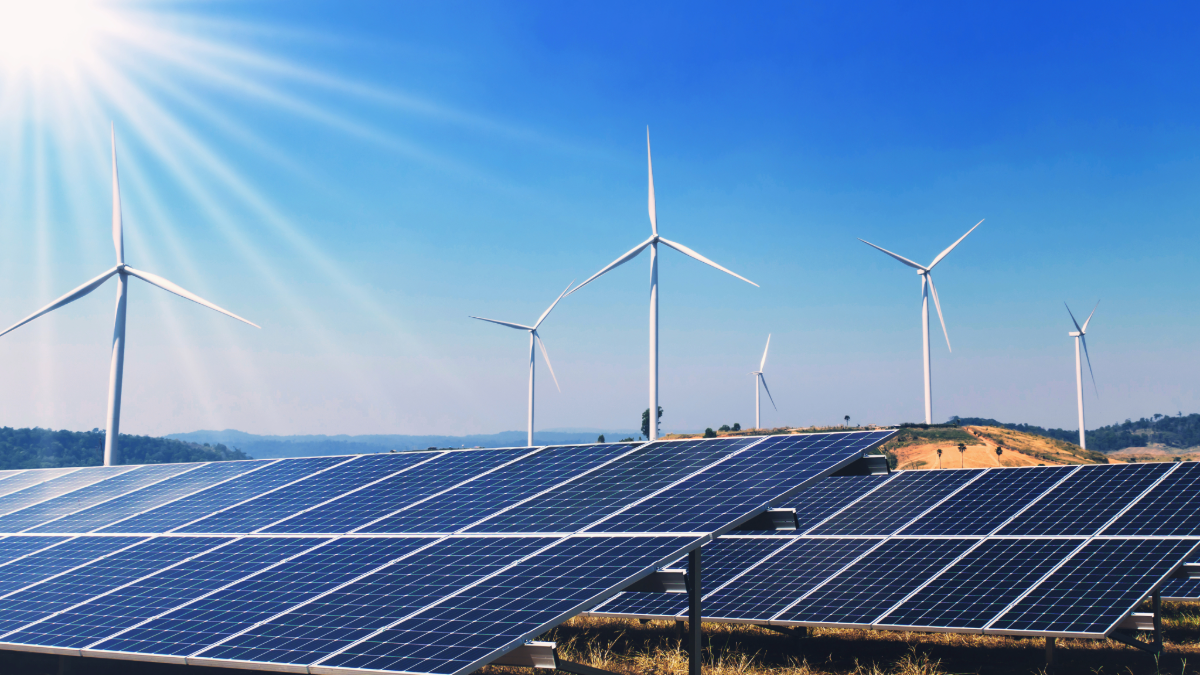
Solar gets the headlines, but it is not the only energy project leasing Virginia land. Wind farms in the mountains and battery storage sites near substations both run on long land leases, and the title and closing work looks a lot like solar with its own twists. Whether you own the land or you are the developer, here is what the title side involves.
Wind leases: long terms, big footprints
A wind project leases land for decades to site turbines, access roads, and collection lines, much like the solar leases I cover in my piece on solar farm land leases. Onshore wind in Virginia is concentrated where the ridgelines and wind resource line up, and a single project can stretch across multiple landowners. The turbines themselves take a small footprint, but the lease, the access easements, and the setbacks cover a lot of ground, and all of it has to be described correctly and recorded.
Battery storage: small sites, heavy power connections
Battery energy storage is the newer arrival. These sites are compact, often just a few acres of containers next to a substation, but they live or die on the connection to the grid. That means the important rights are the interconnection and transmission easements and the proximity to power, more than the size of the parcel. A battery site leased or bought near a substation raises the same power-easement questions that drive a data center site, just on a smaller scale.
A wind or battery lease and its access and interconnection easements run with the land for decades. They need to be described correctly and recorded, so they bind, and survive, a future sale of the property.
Leasehold title and the developer’s lender
As with solar, a wind or battery project is only financeable if the leasehold has clean, insurable title. We search the landowner’s fee, confirm the owner can lease, and issue a leasehold title policy protecting the developer’s interest, with the lender getting its own coverage, the general mechanics I describe in my piece on ground leases and leasehold title insurance. An ALTA survey maps the leased area, the turbine or container sites, and every easement.
Severed minerals, existing liens, and crossing easements
Rural and mountain land carries the same history that complicates any project on it. Mineral rights may have been severed long ago, and a mineral owner’s surface rights can conflict with a project, so we check. Existing deeds of trust on the land may need subordination or non-disturbance agreements, and the project’s access and collection easements need to be recorded so they run with the land. These are the same checks that protect both the landowner and the developer.
Decommissioning and recording
Like solar, wind and battery projects increasingly come with decommissioning requirements, financial assurance that the equipment will be removed and the land restored at the end of the term, usually set in the local siting agreement. The memorandum of lease and the project easements record with the Circuit Court Clerk where the land sits. Our commercial services cover wind, battery storage, and other energy leases for both landowners and developers across Virginia.
Common questions
Do wind and battery projects buy land or lease it?
Usually they lease it, on long terms like solar. The landowner keeps ownership and receives rent while the developer owns the turbines or battery equipment for the term and holds recorded easements for access and the grid connection.
What matters most for a battery storage site?
The grid connection. Battery sites are small, often a few acres by a substation, so the interconnection and transmission easements and proximity to power matter more than the size of the parcel.
Does an existing mortgage affect a wind or battery lease?
It can. A lender holding a deed of trust may need to sign a subordination or non-disturbance agreement so its loan and the new lease do not conflict, which we handle before the lease records.
Who removes the equipment at the end?
The developer generally must, backed by decommissioning financial assurance, a bond or surety, usually required in the local siting agreement, guaranteeing the equipment is removed and the land restored.
Send us the property and the timeline, and we will send back a clear quote with no guesswork. Independent, attorney-led title and escrow across Virginia and West Virginia.
Get Your Free Quoteor call (703) 552-4155