
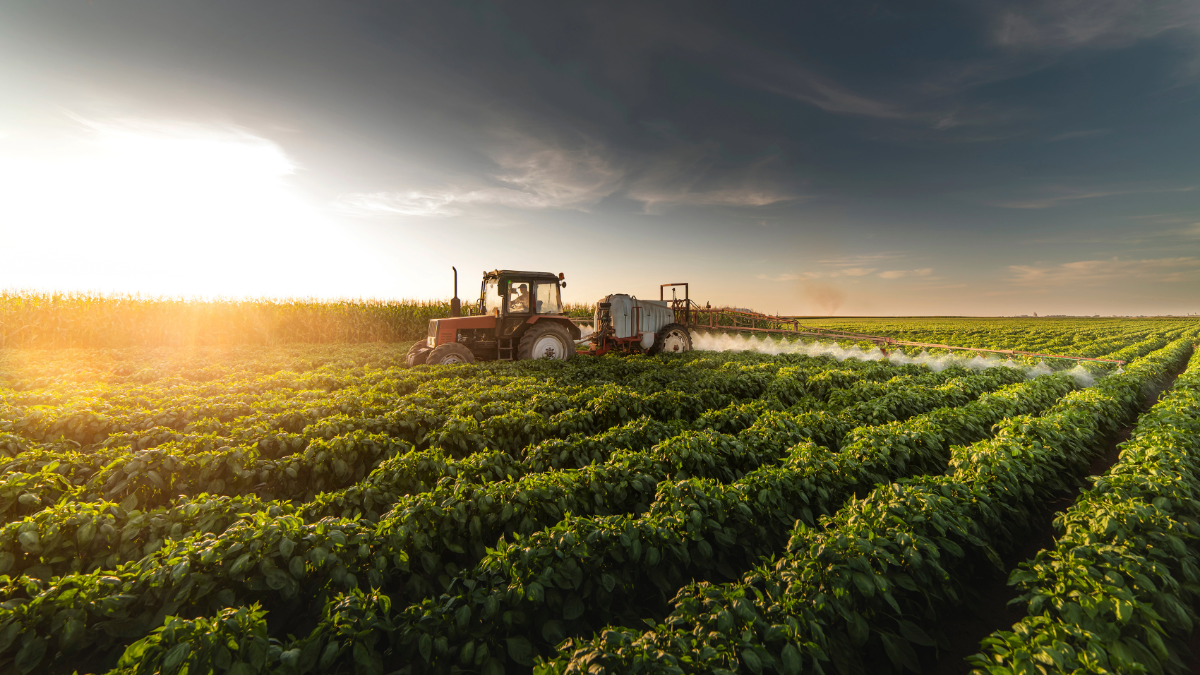
The Virginia Piedmont, the rolling country from Fauquier down through Albemarle and Nelson, is full of working agricultural land: farms, vineyards, orchards, and timber. Buying or selling large rural acreage for a business raises title questions a building in town never does, and the conservation-easement piece is the one that most affects value and use.
Conservation easements and tax credits
A great deal of Piedmont land is under a conservation easement, a recorded and usually permanent restriction that limits subdivision and development, often held by the Virginia Outdoors Foundation or a local land trust. The landowner may have received Virginia land preservation tax credits for granting it. If you are buying land under easement, that document controls what you can and cannot do, so we pull it, read it, and put it squarely in the title commitment. It does not stop a sale, but no one should buy this land without knowing exactly what the easement allows.
Agricultural and forestal districts, and farm winery zoning
Land may also sit in an agricultural and forestal district, a voluntary program under Virginia law that keeps land in farming or forestry in exchange for protection from certain development pressures. And if the plan is a winery, Virginia law gives farm wineries specific zoning treatment, but the local ordinance still governs events, tasting rooms, and parking. Property in Fauquier County, Albemarle County, and Nelson County all carries these layers, and each records with its own circuit court.
On land under a conservation easement, the recorded easement, not the asking price, sets what you are buying. We read it before you commit.
Acreage, access, water, and what is under the ground
Large rural tracts are described by metes and bounds, so the survey and the deed have to match precisely, and access is often by a right of way across a neighbor rather than public road frontage. Water matters too: wells, springs, and any recorded water rights. And on rural land the question of who owns the timber and the minerals can be separate from who owns the surface, which we check, because a severed mineral or timber interest can surprise a buyer years later.
Costs and recording
These Piedmont counties are outside the Northern Virginia Transportation Authority, so a deed carries the statewide recordation and grantor’s taxes without the Northern Virginia regional fees. Large-acreage prices make the exact number worth pinning down early, and we do that. Our commercial services cover farm, vineyard, timber, and conservation-eased land across the region.
Common questions
Can I buy land that is under a conservation easement?
Yes, but the recorded easement runs with the land and limits what you can do, often permanently, including subdivision and new building. We pull and review the easement before closing so you know exactly what you are buying.
What is an agricultural and forestal district?
It is a voluntary program under Virginia law that keeps land in farming or forestry in exchange for certain protections. Membership affects how the land can be used and developed, so we confirm whether a parcel is enrolled.
Does Virginia zoning treat farm wineries differently?
Virginia law gives farm wineries specific protections, but the local ordinance still governs the details like events, tasting rooms, and parking. We flag the recorded restrictions, and you confirm the operational rules with the locality.
Why does access matter so much on rural land?
Many large tracts reach the public road only across a right of way over a neighbor’s land. We confirm that access is recorded and runs with the property, because land without guaranteed legal access is worth far less and harder to finance.
Send us the property and the timeline, and we will send back a clear quote with no guesswork. Independent, attorney-led title and escrow across Virginia and West Virginia.
Get Your Free Quoteor call (703) 552-4155