
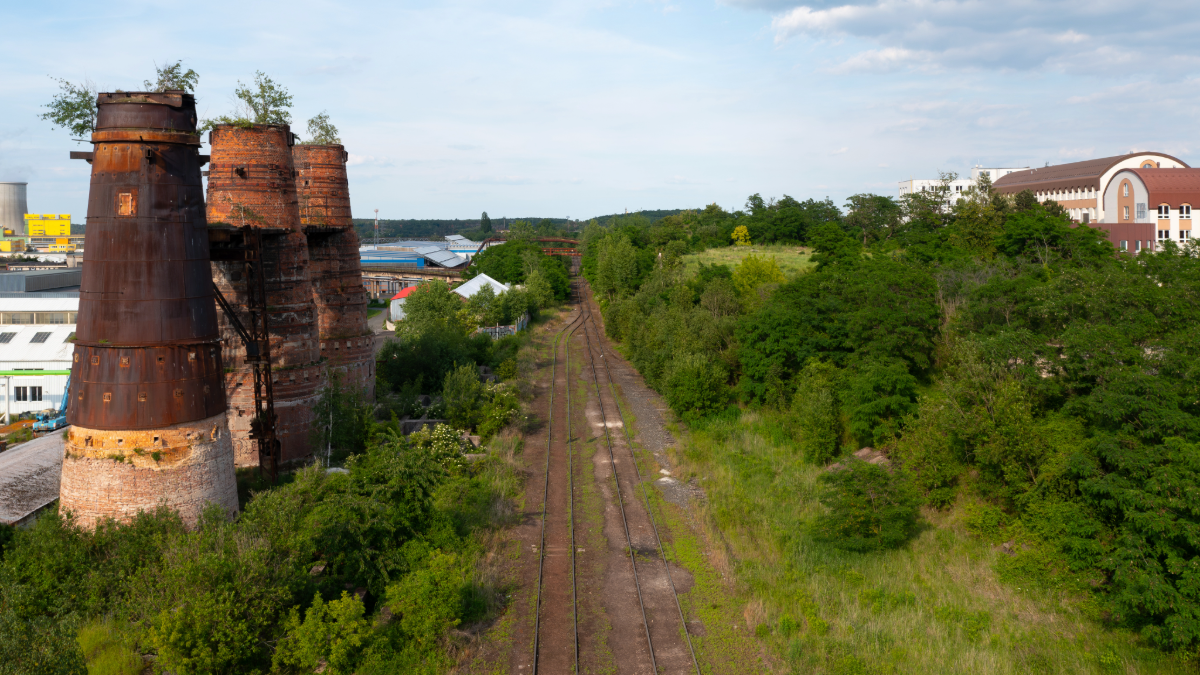
A former factory, dry cleaner, rail yard, or gas station can be a great redevelopment site, but it usually comes with environmental history, and that history shows up on the title. Cleaning up and reusing a contaminated property, a brownfield, runs through Virginia’s environmental programs, and the agreements that come out of them get recorded against the land. Here is how the title and closing side works.
What makes a site a brownfield
A brownfield is property where redevelopment is complicated by known or suspected contamination, often from a prior industrial or commercial use. The land can still be valuable, the location is frequently good, but a buyer takes on the question of cleanup liability. That is why environmental diligence comes first, starting with the Phase I assessment I describe in my piece on Phase I environmental site assessments and moving to Phase II sampling when the history warrants it.
Virginia’s Voluntary Remediation Program
Virginia runs a Voluntary Remediation Program that lets an owner clean up a site to agreed standards and receive a certificate of completion from the state. That certificate gives the participant and future owners assurance about the cleanup, which is often what makes redevelopment financeable. The program is a path to turning a liability into a usable site, and the documents it produces matter to both the lender and the title.
Remediating a brownfield often ends with recorded land use controls, an environmental covenant limiting how the site is used. It runs with the land, so a buyer is bound by it, and it has to be read like any other title restriction.
Environmental covenants that run with the land
Many cleanups do not remove every trace of contamination; instead they make the site safe for its intended use, sometimes by capping soil or restricting groundwater use. To keep it safe, the state records land use controls, often an environmental covenant, that limit what can be done on the property, no residential use, no wells, keep the cap intact. That covenant runs with the land and binds future owners, so it is a recorded title restriction we flag and explain, the same way we would any easement or access limit.
Liability protection and the buyer’s position
Buyers worry, rightly, about inheriting cleanup liability. Federal and state law offer some protections for buyers who do their diligence, and a clean Phase I supports a bona fide prospective purchaser position, but those protections depend on doing the assessment correctly and following through. A former gas station with underground tanks, or an old industrial site, raises exactly these questions. We coordinate with the environmental team so the title and the liability picture line up before closing.
Title, survey, and recording
Beneath the environmental layer, a brownfield purchase still needs the commercial fundamentals: a title search, an ALTA survey showing the site and any recorded covenant areas, and broad coverage. The deed, any new financing, and the environmental covenant or completion documents record with the local Circuit Court Clerk. It fits the broader commercial closing process I describe in what is different about commercial deals, and our commercial services cover brownfield and contaminated-site redevelopment across Virginia.
Common questions
What is a brownfield?
A property where redevelopment is complicated by known or suspected contamination, often from a prior industrial or commercial use. The land can still be valuable, but a buyer has to address cleanup liability through environmental diligence.
What is the Voluntary Remediation Program?
A Virginia program that lets an owner clean up a site to agreed standards and receive a state certificate of completion, giving the participant and future owners assurance about the cleanup, which often makes redevelopment financeable.
What is an environmental covenant?
A recorded land use control that keeps a remediated site safe by limiting its use, such as barring wells or residential use or requiring a soil cap to stay in place. It runs with the land and binds future owners, so it is a title restriction.
Can I be held liable for contamination I did not cause?
Federal and state law offer protections for buyers who perform proper diligence, and a clean Phase I supports a bona fide prospective purchaser position, but the protection depends on doing the assessment correctly and meeting ongoing obligations.
Send us the property and the timeline, and we will send back a clear quote with no guesswork. Independent, attorney-led title and escrow across Virginia and West Virginia.
Get Your Free Quoteor call (703) 552-4155