
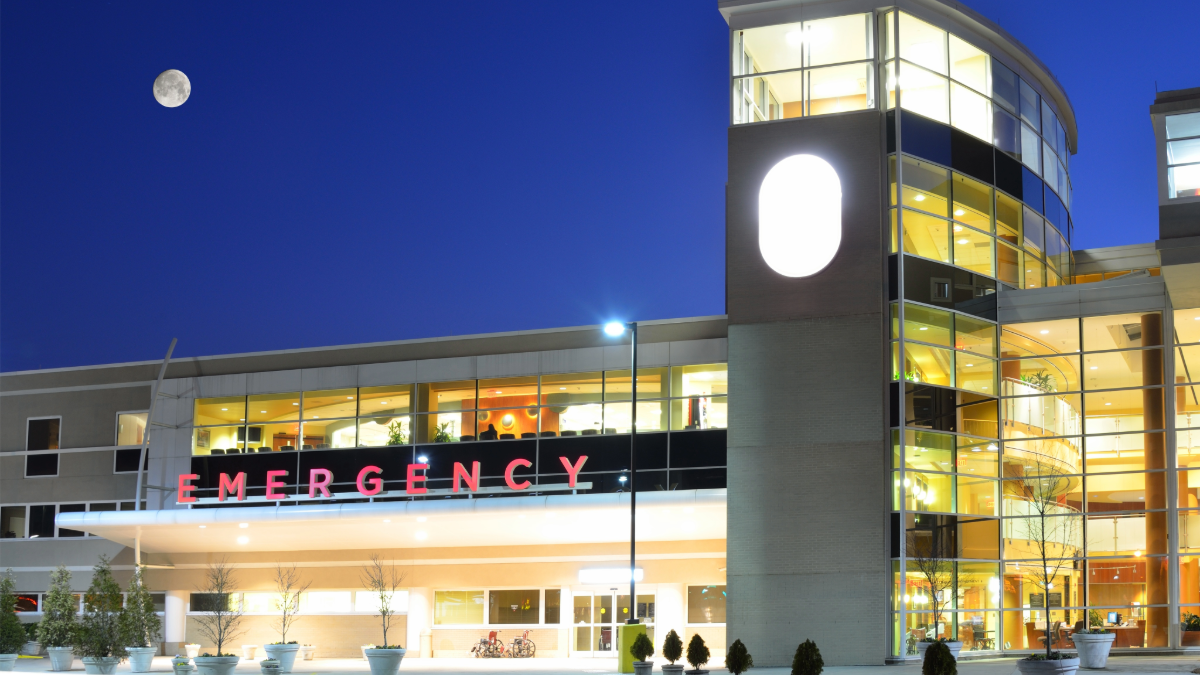
Medical office buildings trade differently from ordinary office space. The tenants are physician groups and health systems, the leases are long and specialized, the build-out is expensive, and the deals often run through a condominium or a sale-leaseback structure. For a buyer, the title questions follow the way these properties are owned and leased. Here is what is different in Virginia.
Who owns a medical office building, and how
Medical office is owned a few common ways, and the structure drives the title work. A physician group may own its building outright. A larger building may be divided into commercial condominium units so individual practices can own their suites. And health systems increasingly free up capital by selling and leasing back their real estate, the sale-leaseback structure. Knowing which one you are dealing with tells you whether you are buying a fee, a condo unit, or a leased investment.
The leases are long, specialized, and valuable
On an investment-grade medical building, the leases are the asset. They tend to be long term, with tenants who invested heavily in their space, and they often pass operating costs through to the tenant. As with any leased property, the buyer confirms them through estoppels and an assignment of leases, the process I cover in my piece on estoppels and SNDAs. A health system or hospital tenant on a long lease can be the single most valuable feature of the property.
A medical building may be a fee purchase, a condominium unit, or a sale-leaseback investment. Which one it is decides what you are actually buying and what the title policy needs to insure.
Parking, access, and the specialized build-out
Healthcare uses are parking-intensive and depend on easy access, so parking ratios, shared parking, and access easements matter more here than in plain office, the kind of easement and access questions we confirm on the survey. The build-out is specialized too, imaging suites, plumbing, shielding, generators, and a lot of it is fixtures that pass with the real estate, while some is the tenant’s personal property. We help sort which equipment conveys and which stays with the practice.
Regulatory notes that touch the deal
Healthcare real estate sits near a web of regulation. Leases between health systems and physician practices are structured carefully around federal healthcare laws that govern financial relationships, and while those are the parties’ compliance concerns rather than title matters, they shape how the lease and any purchase option read. We make sure the recorded documents, the deed, the lease memorandum, any option, match the deal the parties negotiated, without wading into the clinical or regulatory side.
Title, survey, and recording
Underneath all of it, a medical building needs the commercial fundamentals: a title search on the selling entity, an ALTA survey, and broad coverage, fitting the overall shape I describe in what is different about commercial closings. For a condominium unit, the declaration and percentage interest come into play; for a sale-leaseback, the deed and the lease record together. Our commercial services cover medical office and healthcare real estate across Virginia.
Common questions
How is a medical office building different from regular office?
The tenants are physician groups and health systems, the leases are long and specialized, the build-out is expensive, and the ownership often runs through a condominium or a sale-leaseback, which changes what a buyer is actually purchasing.
How are medical office buildings usually owned?
A practice may own its building outright, a larger building may be split into commercial condominium units owned by individual practices, or a health system may sell and lease back its real estate. The structure drives the title work.
Why do the leases matter so much?
On an investment medical building, the long-term leases, often with practices or hospitals that invested heavily in their space, are the asset. Buyers confirm them through estoppels and an assignment of leases.
What happens to specialized medical equipment in a sale?
Built-in build-out like imaging infrastructure and shielding often passes with the real estate as fixtures, while the practice’s own equipment is personal property. We help sort which conveys and which stays.
Send us the property and the timeline, and we will send back a clear quote with no guesswork. Independent, attorney-led title and escrow across Virginia and West Virginia.
Get Your Free Quoteor call (703) 552-4155