
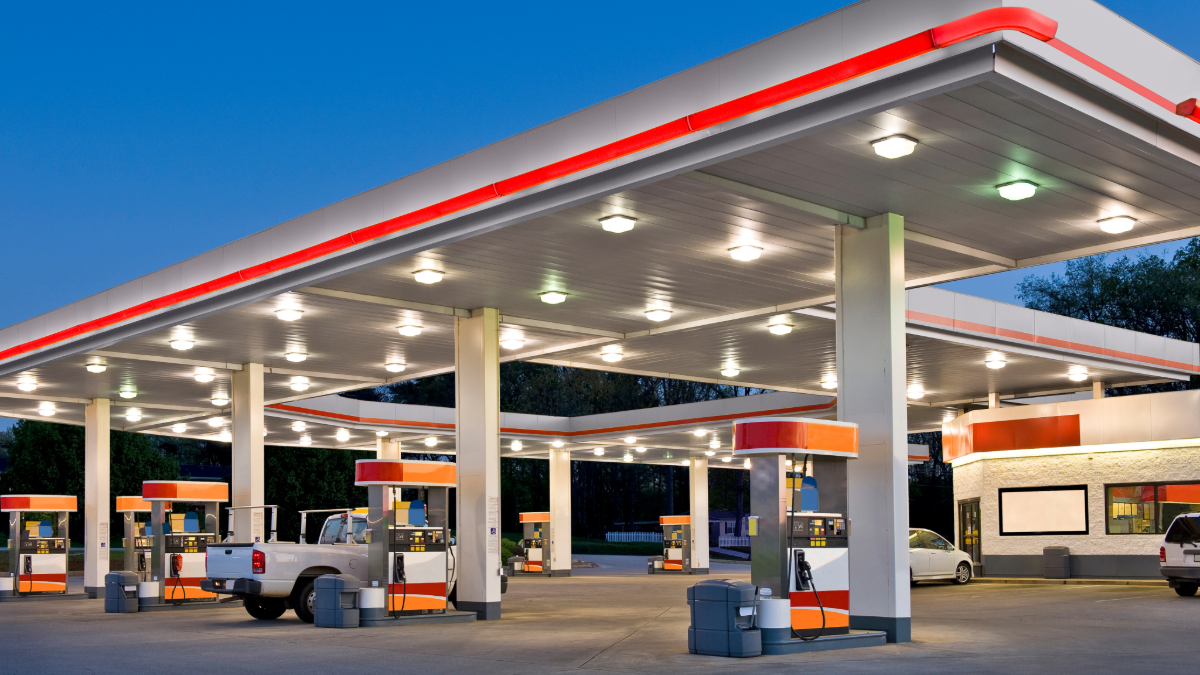
A gas station is one of the more complicated things you can buy in commercial real estate. It is real estate, an operating convenience store, a fuel business, and a set of underground tanks that carry real environmental risk, all in one deal. In Virginia, the tanks are usually the issue that drives the closing. Here is what to know before you buy a fuel site.
Three deals in one: real estate, business, and equipment
Buying a fuel site usually means buying three things at once. The land and building transfer by deed. The convenience store operates as a going concern, with its inventory, brand, and licenses. And the fuel system, the tanks, pumps, canopy, and point-of-sale equipment, is a mix of fixtures and personal property. Sorting which is which drives the deed, the bill of sale, and how the price is allocated, the same split I describe for hospitality in my piece on restaurant and hotel closings and for retail in retail and mixed-use closings.
Underground storage tanks and environmental risk
The underground storage tanks are what set a fuel site apart. Tanks and lines can leak, and a release of petroleum into the soil or groundwater creates cleanup liability that can attach to the property and the owner. That risk does not stop at the property line, and it can outlast the sale. Because of that, the environmental condition of the tanks is usually the single most important diligence item on a gas station purchase, ahead of the title work itself.
Underground storage tanks can leak, and petroleum cleanup liability can attach to the property and the owner. On a fuel site, the environmental condition of the tanks usually matters more than anything in the title search.
Phase I, Phase II, and the state cleanup fund
Diligence on a fuel site starts with a Phase I environmental site assessment, the screening I cover in my piece on Phase I environmental site assessments. On a property with tanks, that often leads to a Phase II, with actual soil and groundwater sampling, and a review of the tank records and any known releases. Virginia operates a petroleum storage tank fund that can help cover certain cleanup costs for eligible tanks, which matters to both buyer and seller, though eligibility and coverage are their own analysis. We make sure the environmental picture is clear before closing, because it shapes everything else.
Fixtures, the store, and the going concern
The pumps, canopy, tanks, coolers, and store fixtures raise the same real-versus-personal property question that comes up on any equipment-heavy purchase, the subject of my piece on fixture filings and equipment. Some of it passes with the real estate as fixtures, and some moves under a bill of sale, and lenders that financed the fuel equipment may have UCC filings to clear. The convenience store also carries licenses, including for fuel and often for beer and wine, and those do not automatically transfer with the building.
Title, survey, and recording
Underneath all of that, a fuel site still needs the commercial fundamentals: a title search on the selling entity, an ALTA survey showing the building, canopy, tanks, and access, and broad title coverage, the overall shape I outline in what is different about commercial closings. Access matters a lot for a fuel site, since visibility and entrances drive the business. The deed and any new deed of trust record with the local Circuit Court Clerk, and our commercial services cover gas station and fuel site acquisitions across Virginia.
Common questions
What makes buying a gas station different?
It is usually three deals in one: the real estate, the convenience store as a going concern, and the fuel equipment, plus underground storage tanks that carry environmental risk. The tanks often drive the whole transaction.
Why are the underground tanks such a big deal?
Tanks and lines can leak, and petroleum cleanup liability can attach to the property and the owner and outlast the sale. The environmental condition of the tanks is usually the most important diligence item.
What environmental review does a fuel site need?
Typically a Phase I assessment, often followed by a Phase II with soil and groundwater sampling, plus a review of tank records and any releases. Virginia also has a petroleum storage tank fund that may help with eligible cleanup costs.
Do the pumps and store equipment transfer with the deed?
Some pass with the real estate as fixtures and some move under a bill of sale, and financed equipment may carry UCC filings to clear. Fuel and alcohol licenses do not automatically transfer with the building.
Send us the property and the timeline, and we will send back a clear quote with no guesswork. Independent, attorney-led title and escrow across Virginia and West Virginia.
Get Your Free Quoteor call (703) 552-4155