
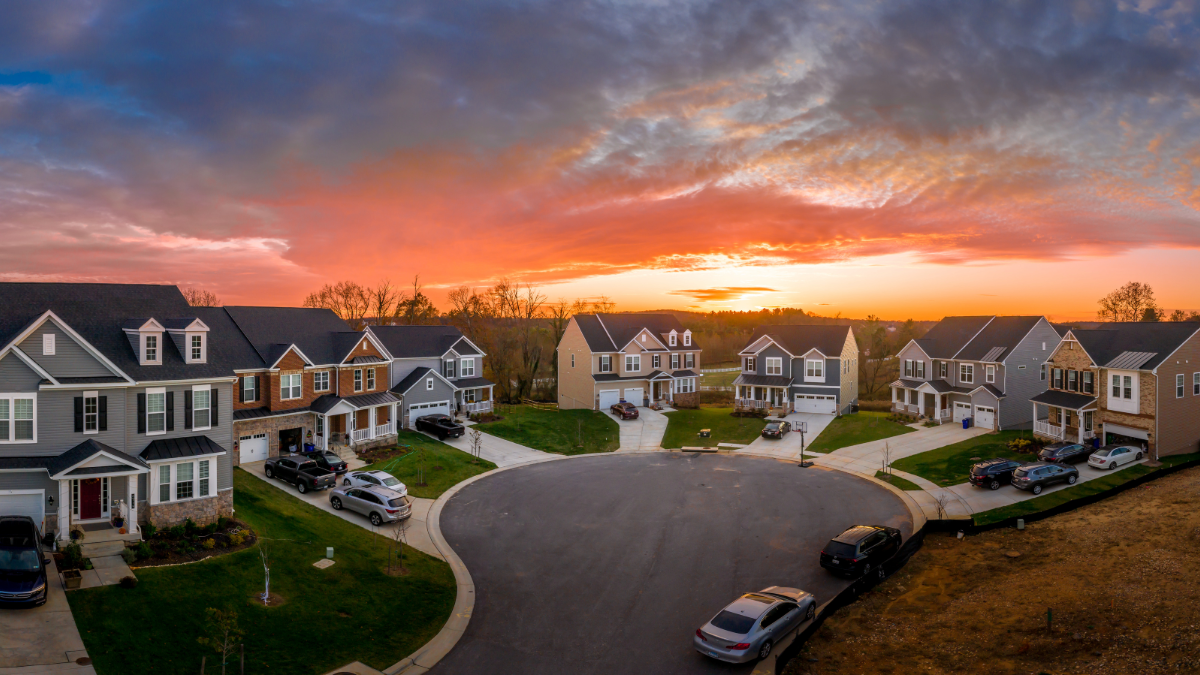
Many homes sit on more than one recorded parcel. The house is on one lot, the side yard or the driveway is on another, and both have been owned together so long that everyone thinks of them as a single property. They are not, and that distinction produces problems at exactly two moments: when the property is sold and when somebody wants to build.
Two lots means two of everything
Two tax parcels with two assessments and two bills. Two legal descriptions in the record. Potentially two entries in the chain of title with different histories, different prior owners, and different recorded encumbrances.
That last point is the one that matters most. An easement, a covenant, or an old lien affecting one parcel does not necessarily affect the other, so the search has to treat them as two properties even though the owner experiences them as one.
Make sure both parcels are in the deed
The most common failure is a deed conveying only the lot the house sits on, because that is the one everyone thinks about. The side lot stays with the seller, who may not realize it, and surfaces years later when somebody tries to sell it or when the buyer discovers their driveway is not theirs.
How houses end up straddling lots
Sometimes deliberately, where an owner bought the neighboring lot to protect a view or gain a yard. Sometimes because a structure was built across an old line without anyone consolidating the parcels. And frequently because an older subdivision platted narrow lots and one house was built spanning two or three of them.
That last case is very common in older neighborhoods, and it means a house may sit across a boundary that still legally exists underneath it.
Why it matters when you build
Setbacks are measured from property lines, and an interior line between two lots you own is still a property line for that purpose unless the locality treats them as combined. An addition that looks like it sits comfortably in the middle of your land can violate a setback from a line running through your own yard.
A structure built across the line between two parcels also complicates any later sale of one of them, because you cannot convey half a building. That is the practical argument for consolidating before building rather than after. The boundary side is in subdivision plats and boundary lines.
Consolidation, and why owners do it
Localities generally have a process for combining adjacent parcels under common ownership into one, and for adjusting a line between two of them. It requires the locality’s approval and a recorded plat, and it is not automatic simply because the same person owns both.
The reasons to do it are a single tax bill, setbacks measured from the true exterior boundary, a cleaner description, and the elimination of the risk that a future deed conveys one parcel and forgets the other. The reason not to is that it is permanent: two lots that might each be sold or built on separately become one that cannot.
Do not consolidate without thinking about the second lot’s value
If the second parcel is independently buildable, it may be worth considerably more separately than as extra yard. Consolidation removes that option permanently. Ask the locality whether the lot is buildable on its own before combining anything.
At a sale
Both parcels need to be described in the contract and in the deed. The title search covers both. Prorations account for both tax bills, as described in property tax proration. And if only one parcel is being sold, everything about access, utilities, and the location of structures needs checking, because a house that used to have a side yard may now need an easement across it.
How we help
We identify from the record whether the property is one parcel or several, search each one separately because their histories can differ, confirm the contract and the deed describe everything the parties intend to convey, and flag structures sitting across an interior line. Where consolidation makes sense we can explain what the locality requires.
Not sure how many parcels you actually own?
Send us the address and we will tell you what the record shows and whether the deed covers all of it. Independent, attorney-led title and escrow across Virginia and West Virginia.
Get Your Free Quoteor call (703) 552-4155
Common questions
How do I know if my property is more than one lot?
The recorded deed and the tax records show it. Multiple legal descriptions or more than one tax parcel number are the signals, and the deed should be read rather than assumed from the address.
Does one deed cover both lots?
Only if both are described in it. A deed conveying just the lot with the house on it leaves the second parcel with the seller, which is the most common failure and it surfaces years later.
Do setbacks apply to a line between two lots I own?
Generally yes, unless the locality treats them as combined. An interior line remains a property line for setback purposes, which can make an addition non-compliant on land you entirely own.
Should I combine them?
It depends. Consolidation gives a single tax bill, cleaner setbacks, and one description. It is also permanent, and if the second lot is independently buildable it may be worth far more separately.
How is consolidation done?
Through the locality’s process, which generally requires approval and a recorded plat. It does not happen automatically just because one person owns both parcels.
What if the house sits across the line?
That complicates any later sale of one parcel, since you cannot convey half a building. It is an argument for resolving the line before building rather than afterward.
This article is general information about multiple parcels and consolidation in Virginia and West Virginia. It is not legal, zoning, or surveying advice. Consolidation and lot line adjustment procedures are set by each locality, and buildability questions belong with the locality’s planning office.